Disclosure: this page contains affiliate links. If you sign up through them we may earn a commission, at no extra cost to you. It does not change what we write.
The short answer. Wine "in bond" is held in a tax-approved warehouse with excise duty and consumption tax suspended; the tax falls due only when it leaves. "Duty paid" wine has had those taxes paid and can go to your home. Buy wine you might sell in bond, because the trade deals in bonded stock and the tax you pay on duty-paid wine is not normally recovered at resale. Buy wine you will drink duty paid. The rest of this guide explains the mechanism, the costs of holding in bond, and the questions to ask first.
Two identical cases of the same wine, same vintage, same producer, can carry meaningfully different prices and meaningfully different resale prospects. Often the only difference between them is three words on a merchant's listing: in bond, or duty paid.
It is the least glamorous distinction in fine wine and one of the most consequential. Get it wrong at purchase and you can pay tax you would never have needed to pay, on wine you were always going to sell.
What "In Bond" Actually Means
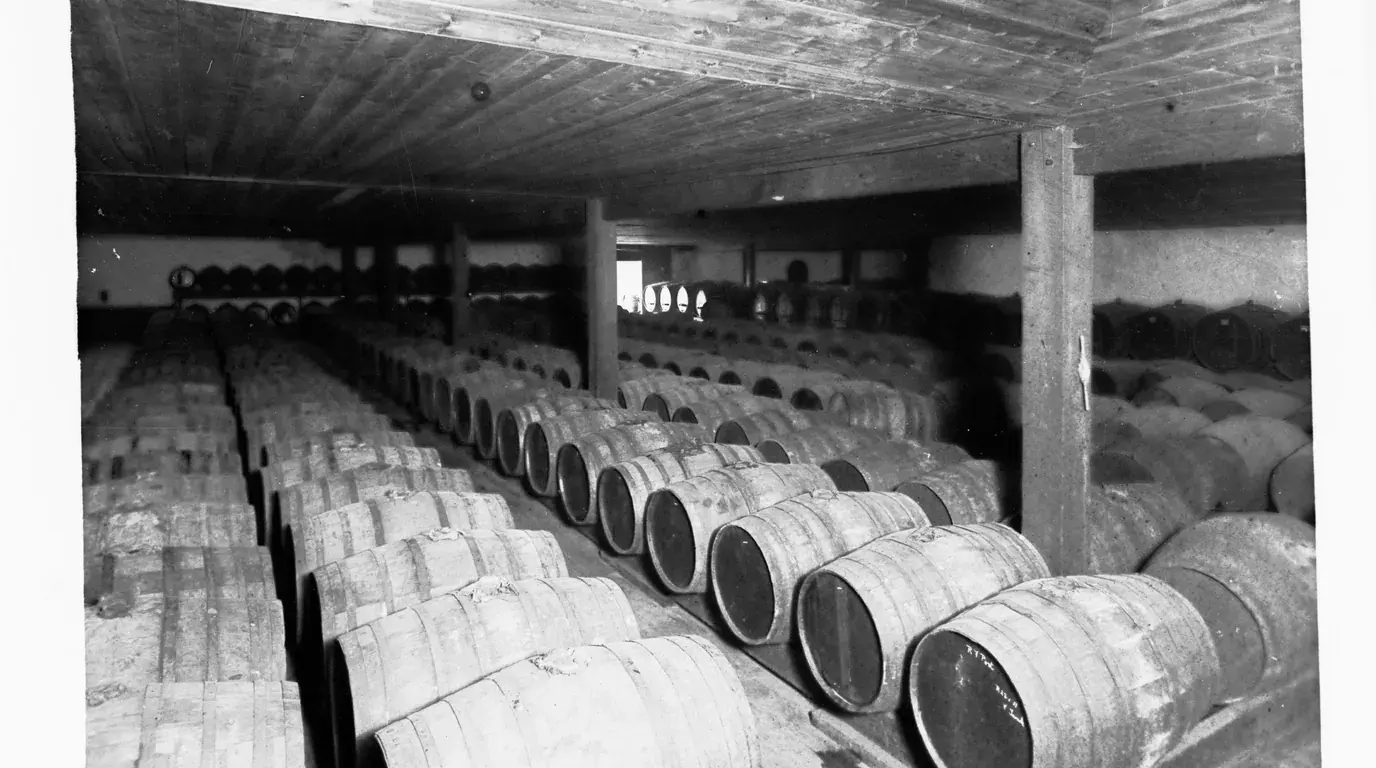
Wine held in bond sits in a warehouse approved by the tax authority, and the duty and consumption taxes on it have not yet fallen due. The wine exists, you own it, and the tax clock has not started.
The UK's framework is published, and HMRC states the purpose of its own guidance plainly: Excise Notice 196 "explains the UK's requirements for the warehousing of excise goods held in duty-suspension within the UK". (HMRC guidance on gov.uk, page updated 13 April 2026, checked 6 September 2026.)
Two structural features of that regime matter to a private owner. Warehouse operators are approved rather than self-declared — the notice sets out the approval of premises and the authorisation of warehousekeepers, which is why a bonded stock record is treated as third-party evidence rather than a seller's claim. And the notice is explicit that the duty point — the moment liability crystallises — is tied to defined events; where authorisation ceases with goods still in the warehouse, for instance, it states that "the duty point is the time when authorisation ceases".
The everyday version: the tax becomes payable when the wine leaves the regime, not when you buy it.
This is UK-specific. Every jurisdiction handles duty suspension, consumption tax and the treatment of wine held for investment differently, and rules change. Take yours from your own tax authority or a professional adviser in your own country. We are describing a mechanism, not giving tax advice, and we are deliberately quoting no rates.
What "Duty Paid" Means
Duty paid wine has cleared the regime. The excise duty has been paid, sales tax has been charged on the full duty-inclusive amount, and the wine can be delivered to a private address and opened tonight.
That is not a worse status. It is a different one, aimed at a different purpose. Wine you intend to drink should generally be duty paid, because it has to become duty paid before it reaches your table anyway and there is nothing to gain from delay.
Why the Distinction Moves Price
Three mechanisms, and the third is the one people miss.
The listed prices are not comparable. An in-bond price excludes duty and consumption tax; a duty-paid price includes both. Comparing the two directly makes in-bond wine look cheap and duty-paid wine look expensive, when they may be the same wine at the same underlying value. Always establish which basis a quote is on before comparing anything.
Trade happens in bond. The professional market — merchants, brokers, exchanges, auction houses selling to trade — deals overwhelmingly in bonded stock, because bonded wine can change hands repeatedly without anyone triggering the tax. A case already in bond can be sold into that market as it stands. A duty-paid case generally cannot, which narrows its buyer pool to consumers.
The tax you paid is usually not recoverable at resale. This is the expensive one. If you buy duty paid and later sell, you are not normally reimbursed for the duty and tax embedded in what you paid. You bought a consumption good and are now selling it second-hand. The buyer prices the wine, not your tax bill.
The practical rule that falls out of all three: wine you might sell should be bought and held in bond from the start, and wine you intend to drink can be duty paid. It is not a close call in either direction.
The Provenance Argument, Which Matters as Much as the Tax
A bonded warehouse produces something a private cellar cannot: an independent, auditable record of where the wine has been and under what conditions, maintained by a party with no interest in the sale.
That record is worth money. A future buyer or auction specialist can verify it without taking your word for anything, which is exactly the position a cautious buyer wants to be in. Wine that has stayed in bond since release is the strongest provenance status available in the trade, and it is one of the four things an auction house asks about — see how to value and sell rare wine at auction.
The corollary is uncomfortable but true: taking investment-grade wine out of bond and into your own cellar typically reduces what it will fetch later, even if you store it immaculately, because immaculate and verifiable are different things.
The Costs of Holding In Bond
In bond is not free, and the costs are recurring.
| Cost | Basis | Notes |
|---|---|---|
| Storage | Per case, per year | The core charge; ask whether it is billed annually or monthly |
| Insurance | Usually a percentage of declared value | Confirm whether it is replacement value or purchase value |
| Account or administration fee | Annual, sometimes waived | Varies by warehouse and by merchant arrangement |
| Transfer between accounts | Per movement | Applies when you sell in bond or change warehouse |
| Withdrawal from bond | Per case, plus the duty and tax | The duty point; this is where the tax bill lands |
| Inspection or repacking | Per event | Rebottling, recorking or condition photography |
None of these is large individually. Over a fifteen-year hold on a modest position they compound into a real number, and they must be subtracted before you compare wine to anything else you own. We publish no figures because they differ by warehouse and change; get a full schedule in writing from your warehouse before you open the account, including the withdrawal charge, which is the one people forget to ask about.
Practical Questions to Settle Before You Buy
- Is this quote in bond or duty paid? Get the answer explicitly, not by inference.
- If in bond, which warehouse, and will the wine be held in my own name or in the merchant's?
- What is the full annual cost schedule, including account fees and transfer charges?
- How is insurance valued, and is it revalued periodically?
- What is the process and cost to sell in bond, and to withdraw?
- If I later move country, what happens to the wine?
Question two is more important than it looks. Wine held in your own account at a warehouse is unambiguously yours. Wine held in a merchant's pooled account is a claim against the merchant, and the difference only becomes apparent in circumstances where you very much want it to have been the first thing.
The Counter-Argument
The honest case against bonded storage for a private buyer is straightforward: it costs money every year, it puts the wine somewhere you cannot walk past it, and it is aimed at an eventual sale that many collectors never actually make.
If you are building a cellar to drink — and most people are, whatever they tell themselves — then the annual charges buy you a resale advantage you will never use, and the wine spends its life in a warehouse instead of at home. For that collector, duty paid and a good cabinet is the correct and cheaper answer. The twelve-bottle starter cellar is built on exactly that assumption.
The distinction is not in-bond good, duty-paid bad. It is: decide honestly whether this wine is stock or is dinner, and buy it on the basis that matches. Most cellars contain both, and there is no reason they cannot be held both ways.
For the storage fundamentals underneath either choice, see how to store fine wine properly and the wine storage guide.
Frequently asked questions
What is in bond wine?
In bond wine sits in a tax-approved warehouse where the excise duty and consumption taxes have not yet fallen due. The wine exists and you own it, but the tax clock has not started. The tax only becomes payable when the wine eventually leaves the tax-suspended regime.
What should I know about buying wine in bond?
When buying wine in bond, you must establish whether quotes exclude duty and consumption tax. You should also check which warehouse holds the stock, whether the wine is in your own name or a merchant account, and request a full annual cost schedule in writing before opening an account.
Is a "wine bond" an investment product?
Not in the financial sense. In the wine trade, "bond" refers to the bonded warehouse — wine held under duty suspension — not to a debt security. Any scheme selling "wine bonds" with a promised return is something else, and should be checked with your financial regulator before any money moves.
Can I buy en primeur wine in bond?
Yes, and for wine you may sell it is the usual route: wine bought en primeur and held in bond from release keeps the cleanest storage record. See en primeur explained for how the campaign works.
Why does bonded stock matter for pricing and resale?
Bonded stock matters because trade happens largely in bond, allowing professional markets to trade cases without triggering tax. Furthermore, duty paid at purchase is usually not recoverable at resale, making bonded status advantageous for wine you might eventually sell to another buyer.
How does in bond wine differ from duty paid wine?
In bond wine excludes duty and consumption tax and remains in an approved warehouse, which preserves an independent auditable provenance record. Duty paid wine has cleared the tax regime, includes sales tax on the duty-inclusive amount, and can be delivered directly to a private address for immediate consumption.