Disclosure: this page contains affiliate links. If you sign up through them we may earn a commission, at no extra cost to you. It does not change what we write.
A Bordeaux label is a contract written in shorthand. Once you learn its grammar, a single glance tells you the producer, the precise patch of ground the grapes came from, the vintage, the regulatory tier, and — with a little context — a reasonable estimate of quality and value. For collectors, fluency in this language is the first line of defence against overpaying, misreading provenance, or buying a bottle that trades on Bordeaux's prestige without its substance.
The Anatomy of the Label
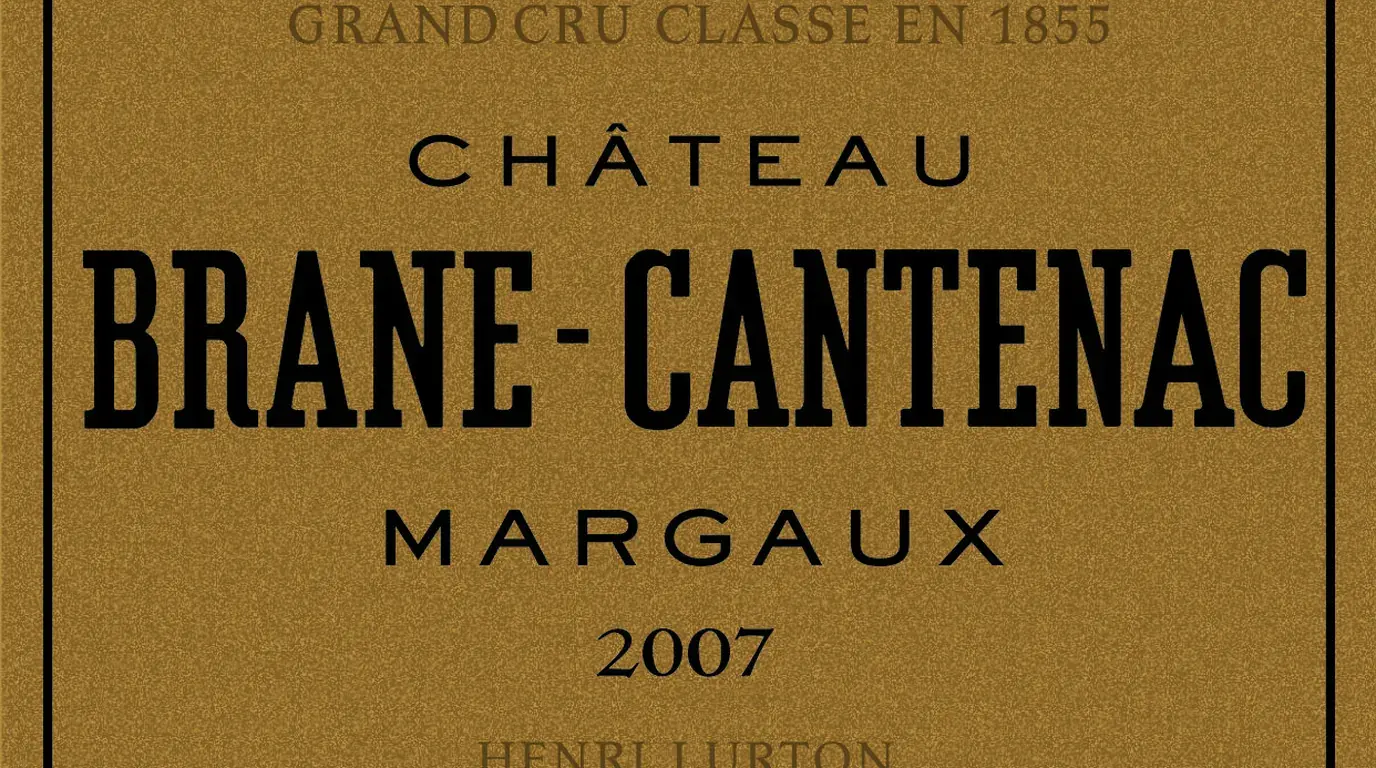
Start at the top and work down. The largest text is usually the château name — in Bordeaux, "château" rarely means a literal castle; it denotes a wine estate, however modest. Below or near it you will find the appellation, the legally defined geographic origin printed as Appellation [Place] Contrôlée (now often Protégée). This is the single most important piece of information on the bottle. "Appellation Pauillac Contrôlée" tells you far more than "Appellation Bordeaux Contrôlée," because the former is a tightly drawn commune within the Médoc, while the latter is the broad regional catch-all covering thousands of hectares.
The vintage — the harvest year — is decisive in a region as climatically variable as Bordeaux. Two bottles from the same château can differ dramatically in price and drinkability depending on whether the year was a triumph or a washout. Our Bordeaux 2023 vintage report illustrates how growing-season weather translates into structure, longevity, and market behaviour.
Finally, look for mis en bouteille au château — "bottled at the estate." This phrase confirms the wine was produced and bottled where it was grown, rather than blended and bottled by a négociant. It is a meaningful marker of authenticity and is one of the details auction specialists scrutinise.
Decoding the Classifications
Bordeaux's hierarchies are notoriously layered, and the label often signals which one applies.
- 1855 Classification (Médoc and Sauternes): The famous Grand Cru Classé ranking, divided into five growths (premiers through cinquièmes crus). A label reading "Grand Cru Classé en 1855" places the château among the historic Left Bank elite — the five First Growths being Lafite, Latour, Margaux, Haut-Brion, and Mouton Rothschild.
- Saint-Émilion Classification: Revised roughly each decade, with tiers Premier Grand Cru Classé A and B and Grand Cru Classé. Note that "Saint-Émilion Grand Cru" as an appellation is distinct from being a classified growth — a common point of confusion.
- Cru Bourgeois: A separate Médoc tier below the 1855 estates, now annually assessed, offering strong value.
- Pomerol: Has no official classification at all, yet contains Pétrus and Le Pin — proof that the absence of a ranking says nothing about quality.
Understanding where a wine sits in these systems is fundamental to valuing it, a theme we explore in our rare wine investment guide and in the broader comparison of Bordeaux versus Burgundy as investments.
Second Wines and the Fine Print
Many top estates produce a second wine — Carruades de Lafite, Les Forts de Latour, Le Petit Mouton — made from younger vines or declassified lots. These are legitimate, often excellent, and considerably cheaper, but they are not the grand vin. The label will name them distinctly; do not assume "Lafite" appearing anywhere on a bottle means you hold the first wine.
Also check the alcohol level, volume, and the small importer or bottler codes near the base. For older or higher-value bottles, the condition of the label, capsule, and fill level (ullage) matters enormously to value and authenticity — considerations we detail in our guide to buying fine wine at auction.
Putting It Into Practice
Reading a label well is ultimately about cross-referencing: appellation against reputation, vintage against quality, classification against price, and bottling against provenance. A Pauillac First Growth from a great year, château-bottled with pristine labelling, is a different proposition from a regional Bordeaux of an indifferent vintage — even if both wear the same elegant typography. Once the wine is yours, protecting that value depends on conditions; see our wine storage guide for how temperature, humidity, and stability preserve both the liquid and the all-important label. Collectors who would rather hold Bordeaux through a managed, bonded-storage portfolio than buy bottle by bottle can compare Cult Wines — the same due diligence applies, and capital is at risk.
Frequently asked questions
What does the term château mean on a Bordeaux wine label?
In Bordeaux, the word château rarely refers to a literal castle. Instead, it denotes a wine estate, regardless of how modest that estate might be. The château name is typically found as the largest text near the top of the wine bottle label.
Why is the appellation considered the most important information on a bottle?
The appellation is the legally defined geographic origin printed as Appellation Contrôlée or Protégée. It tells you far more about the wine than a broad regional catch-all because a tightly drawn commune reveals the precise patch of ground where the grapes originated.
What does mis en bouteille au château mean on a label?
This phrase translates to bottled at the estate. It confirms that the wine was produced and bottled directly where it was grown, rather than being blended and bottled by a négociant, making it a meaningful marker of authenticity for collectors.
How does the Pomerol classification differ from other regions?
Pomerol has no official classification system at all. Despite this complete absence of an official ranking, the region contains renowned estates like Pétrus and Le Pin, proving that a lack of classification says nothing about the quality of the wine.