Disclosure: this page contains affiliate links. If you sign up through them we may earn a commission, at no extra cost to you. It does not change what we write.
The uncomfortable premise of wine authentication is that the contents are the last thing anyone checks. By the time a bottle is open, it has been paid for, and the person best placed to judge whether it tastes right is usually the person who most wants it to.
Everything useful therefore happens before the cork comes out, and almost all of it is examination of the packaging and the paperwork rather than the wine. That is not a compromise. For a sealed bottle it is the only evidence there is.
Why Fine Wine Is Uniquely Exposed
Four features combine here in a way they do not in other collecting categories.
The value is unverifiable without destroying it. A painting can be examined. A watch can be opened. Opening a bottle to confirm it is genuine ends its value entirely.
Tiny differences carry enormous price gaps. Neighbouring vineyards, adjacent vintages and different bottlings of the same wine can differ by an order of magnitude in price while looking nearly identical on a shelf.
Old bottles legitimately have patchy histories. A genuine bottle from decades ago may have thin documentation for entirely innocent reasons, which gives a forger cover that does not exist in categories where paperwork is expected to be complete.
The buyer wants it to be real. This is the most powerful factor and the least discussed. Nobody hunting a unicorn bottle for years is neutral when one appears.
The site's wider treatment of that last dynamic is in how fakes get past good buyers, and it applies here more sharply than anywhere.
The Physical Examination, in Order
Work outside in. Each check is weak alone; the value is in the pattern.
The fill level. Wine evaporates slowly through the cork over decades, so an old bottle should show some loss. A bottle claiming great age with a fill right up under the cork is asking a question that needs answering. So, in the other direction, is a very low fill on a young wine, which suggests a compromised seal or heat exposure.
The capsule. It should match the bottle's claimed age and show wear consistent with it. A pristine capsule on an otherwise aged bottle, or a capsule that has clearly been removed and replaced, is among the strongest single signals available to a naked eye.
The cork, where visible. Branding, length and condition should be consistent with the producer and period. Some producers changed cork branding at known points, and a specialist will know when.
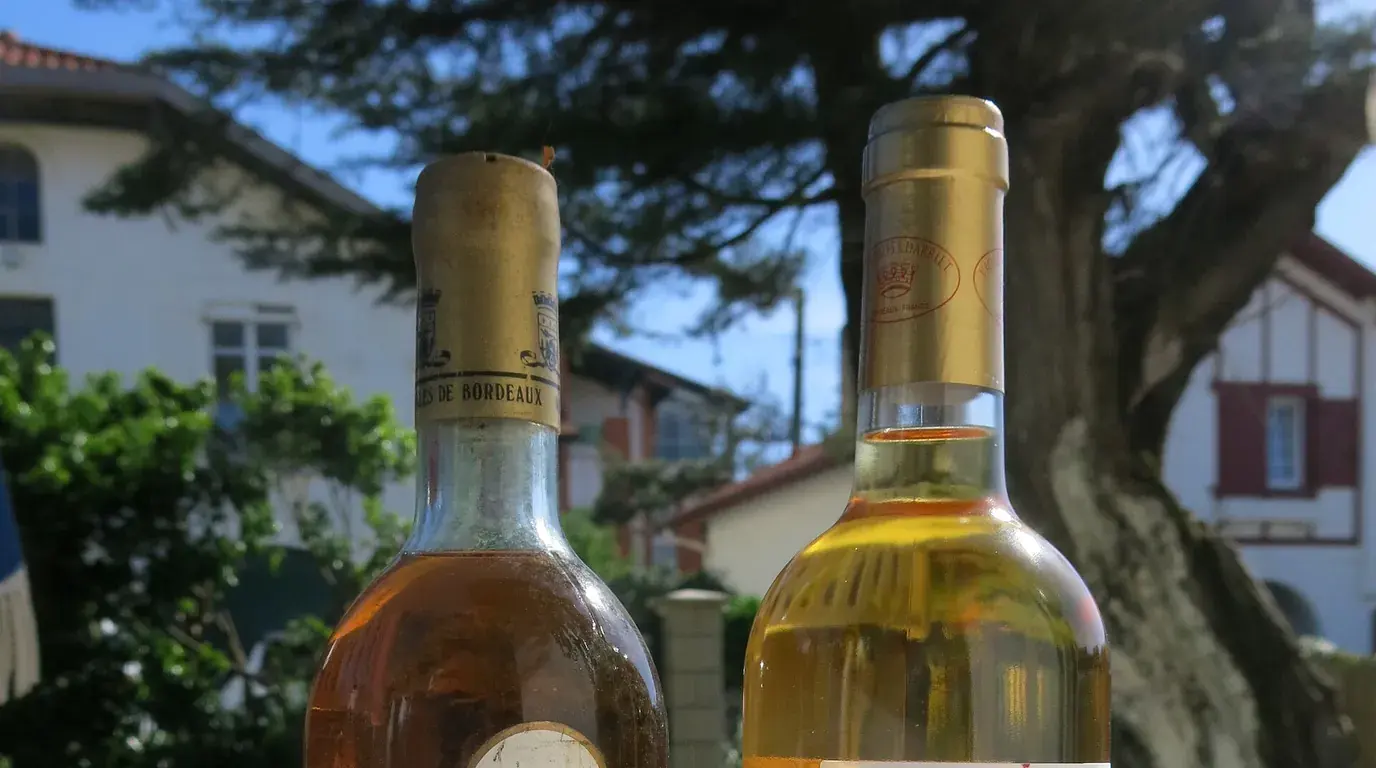
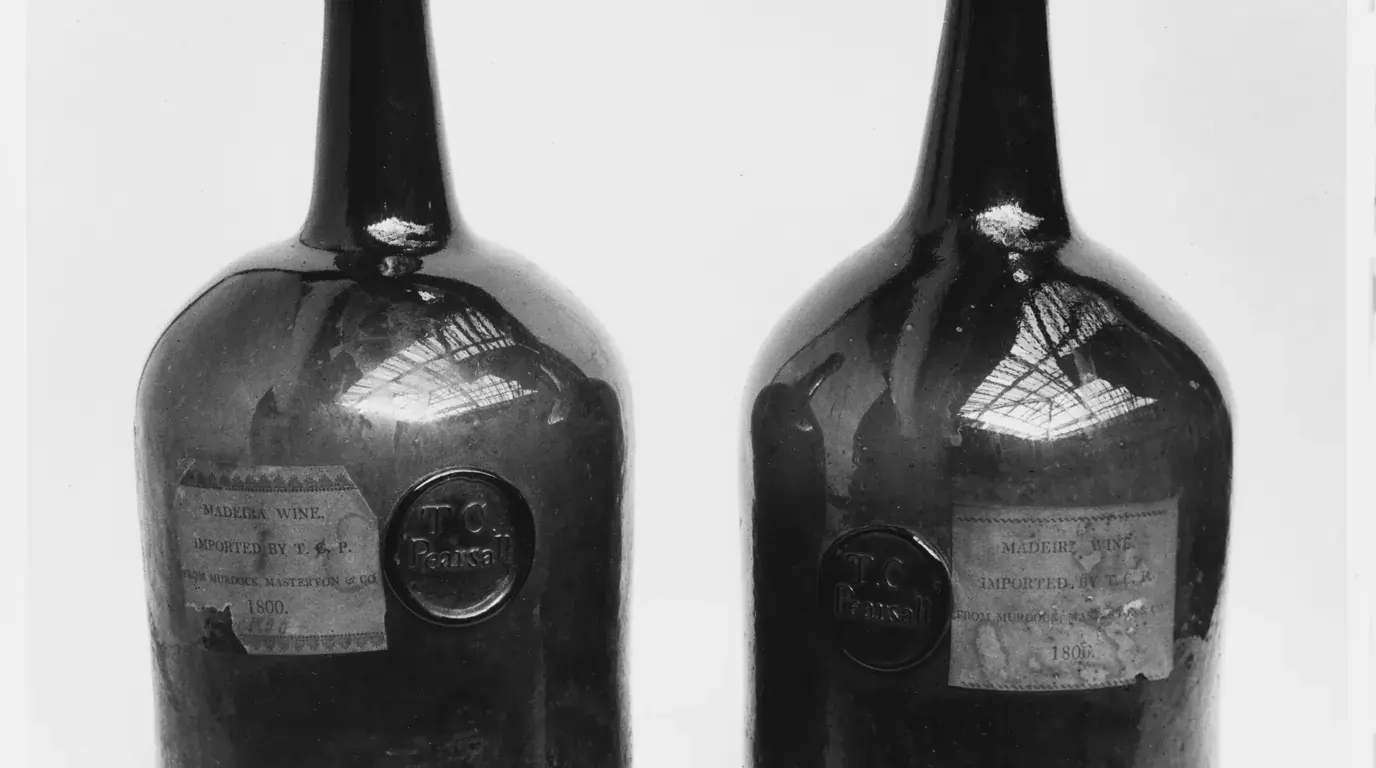
The glass. Bottle manufacture has changed over time — seam positions, base profiles, glass colour and the presence or absence of moulded markings all vary by era and producer. A bottle whose glass belongs to the wrong period is the sort of error that cannot be argued away.
The label paper and printing. Paper stock, printing method and ink behaviour all changed over the twentieth century. Under magnification, the difference between period printing and modern reproduction is frequently visible. Artificial ageing — staining, deliberate scuffing, uneven soiling — tends to look applied rather than accumulated, because it is.
Consistency across the labels. Main label, back label, neck label and vintage slip should have aged together, because they lived the same life. Elements that have plainly aged at different rates are the classic tell of a bottle assembled from parts.
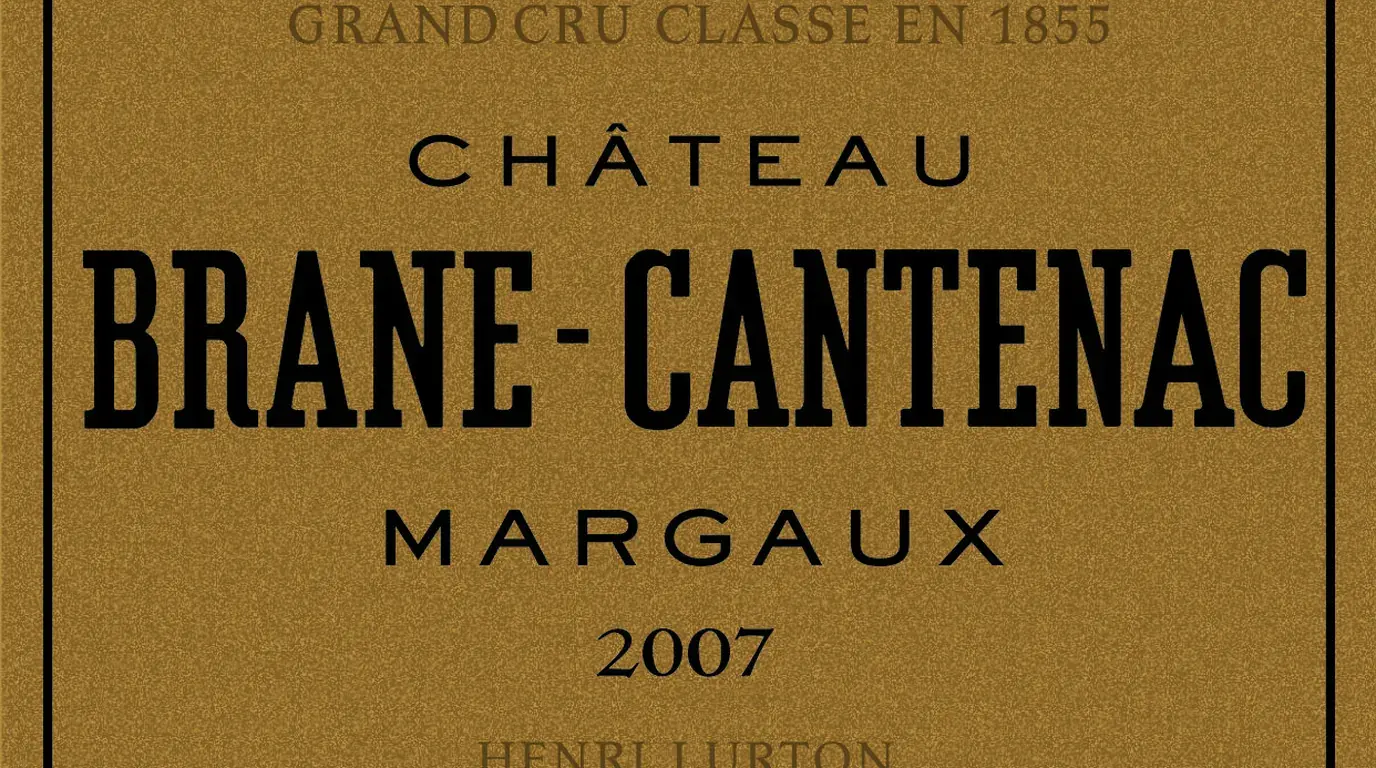
The internal logic of the label. Every label makes claims that can be checked against the historical record: the appellation, the classification, the producer's name and address, the bottling statement, the alcohol declaration. Regulations and estate details changed on known dates. A label asserting something that did not exist in its stated year is finished as evidence, and no amount of plausible provenance rescues it.
What You Cannot See, and Who Can
Some checks require a laboratory. They exist, they are used in serious disputes, and they are not available to a private buyer at the point of purchase — which is precisely why the paper trail carries so much weight.
The practical consequence for a buyer is not to attempt science. It is to buy through channels where someone with a reputation has already applied the scrutiny and stands behind the result, and to accept that the premium those channels charge is the price of that scrutiny.
The Paper Trail Is the Real Test
Physical checks catch clumsy fakes. Provenance catches good ones.
Ask for, and read:
- The original purchase invoice, naming the seller and the date
- Storage account statements showing continuous custody
- Any transfer records between warehouses or accounts
- The original wooden case, and whether the wine has ever been out of it
- The chain of ownership between the estate and the current seller, without gaps
Then apply the test that matters: does the story hold together without your help? A history that requires you to assume a plausible bridge over a missing decade is not a history. It is a narrative with a hole in it, and the hole is usually where the fake entered.
For the general framework, see what the paperwork actually proves.
The Questions a Straight Seller Will Answer Easily
Ask all six. Note not just the answers but how readily they come.
- Who did you buy this from, and when? May I see the invoice?
- Where has it been stored, and can the warehouse confirm it?
- Has it ever left bonded or professional storage? When, and why?
- Has it been inspected or authenticated by anyone? By whom?
- What are you willing to warrant in writing, and for how long?
- If it turns out not to be genuine, what happens?
Question five is the sharpest instrument in the list. A seller who is confident will warrant authenticity. One who is not will explain at length why warranties are unusual in this market. Both answers are informative, and the second is more informative than it sounds.
Where the Risk Actually Concentrates
Risk is not evenly spread, and knowing where it clusters is most of the defence:
- The most famous, most expensive and most counterfeited producers — a short list every serious buyer already knows.
- Old and very old bottles, where documentation is legitimately thin.
- Large formats, which carry high value and are less familiar to most eyes.
- Single bottles rather than intact original cases.
- Anything described as recently discovered in a private cellar, in an estate, or in a country with no tradition of holding that wine.
- Any transaction where you are being hurried.
The last is not about the bottle at all. Time pressure is the standard technique, because every defence above requires time to apply.
The Counter-Argument
There is a reasonable position that says all of this is disproportionate for most buyers, and it deserves a hearing. If you are buying current-release wine from a merchant with a direct relationship to the producer, the counterfeiting risk is close to zero and the checks above are theatre.
That is true, and it points at the actual rule. Counterfeiting risk is a function of age, price and the number of hands the bottle has passed through, not of wine in general. Buy young, buy in bond from a reputable source, keep it there, and you have engineered most of the risk out of your cellar structurally rather than defensively — which is one of the practical arguments for holding wine in bond rather than acquiring old bottles on the secondary market.
The buyers who get hurt are almost never the cautious ones buying ordinary wine. They are experienced collectors chasing the rarest bottles, where the money is largest and the paper trail is thinnest. If that is where you are shopping, every check above earns its time.
For the selling side of the same problem, see how to value and sell rare wine at auction, and for the wider category our rare wine hub.
Frequently asked questions
How can you tell from the packaging whether a fine wine is fake?
Fake wine is caught by examining the glass, capsule, label paper, fill level, and paper trail. Everything useful happens before the cork comes out. Physical checks include looking at fill levels, capsule wear, cork branding, glass manufacturing era, label paper stock, and consistency across all labels on the bottle.
What paperwork is needed for the verification of wine provenance?
Provenance checks require reading the original purchase invoice naming the seller and date, storage account statements showing continuous custody, transfer records between warehouses, information on the original wooden case, and the complete chain of ownership between the estate and the current seller without any gaps.
Where does the risk concentrate when purchasing fine wine?
Risk concentrates on famous, expensive, and heavily counterfeited producers, old or very old bottles with thin documentation, large formats, single bottles rather than intact original cases, recently discovered cellar finds, and any transaction involving time pressure, which is a standard technique used because defenses require time.