Almost everything written about wine at auction is written for buyers. That is a strange imbalance, because the seller carries more of the risk, makes more consequential decisions, and has far less published guidance to work from.
Selling is not buying in reverse. A buyer can walk away from a lot. A consignor has already handed over the wine, agreed a commission, accepted a reserve and committed to a sale date — usually months in advance, and usually before knowing what the market will look like on the night.
This is the seller's side of the transaction, in the order you will meet it.
Start With Whether an Auction Is the Right Route at All
There are broadly four exits for a private cellar, and auction is only one of them.
- Auction. Widest buyer reach, public price discovery, the longest timeline, and a commission on the way out.
- Merchant purchase. The merchant buys the wine outright. Fastest and most certain, at a price that reflects the merchant taking the inventory risk.
- Broker or consignment sale. The broker finds a buyer for wine you still own. Slower than an outright sale, usually better than one, and the wine sits in limbo meanwhile.
- Exchange or trading platform. Works well for liquid, in-bond, standard-format cases of widely traded wines. Works badly for anything unusual.
The shape of your cellar decides this more than your preferences do. A deep vertical of a widely traded wine in original cases, held in bond since release, is exchange or merchant material and will move quickly. A mixed cellar of interesting singles with patchy paperwork is auction material, because an auction is the only one of the four that reliably finds the one buyer who wants that specific bottle.
Be honest about which you have. Sending exchange-grade wine to auction costs you commission for a price discovery you did not need; sending idiosyncratic bottles to a merchant gets you a wholesale bid because nobody else in the chain wants the risk.
What an Auction House Will Actually Ask For
Every serious house asks a version of the same four questions, and your answers determine whether they take the consignment and at what level.
Where has it been? Not "was it stored well" — where, specifically, and can you show it. Professional storage with a stock record is the strongest answer. Continuous bonded storage since release is stronger still, because it is verifiable by a third party rather than asserted by you. A domestic cellar, however good, is a weaker answer for the simple reason that nobody can check it.
What condition are the bottles in? Fill levels, capsule condition, label condition, any signs of seepage or heat exposure. Houses will inspect themselves, but they expect you to have looked first, and a consignor who describes condition accurately is a consignor they will take again.
What documentation exists? Original purchase invoices, delivery notes, storage account statements, original wooden cases. This is the material that turns a plausible story into a provable one. See the five documents that move price for how this works across categories.
What is the tax status? Whether the wine is in bond or duty paid changes the buyer pool, the logistics and often the price. It is covered in full in in bond versus duty paid, and it is worth resolving before you approach anyone.
The Seller's Side of the Contract
Read the consignment agreement properly. It contains at least six things that will affect what you actually receive, and none of them is the hammer price.
- Seller's commission. Deducted from the hammer. Frequently negotiable, and frequently on a sliding scale — larger consignments carry lower rates. Ask for the scale in writing.
- Reserve. The price below which the lot will not sell. Set it too high and the lot is bought in, which costs you time and can carry a fee. Set it too low and you have written the buyer a discount.
- Photography, cataloguing and insurance charges. Sometimes bundled, sometimes itemised, occasionally charged even on unsold lots.
- Shipping and inspection costs. Who pays to get the wine to the house, and who pays to get it back if it does not sell.
- Settlement timing. How many weeks after the sale you are paid, and what happens if the buyer defaults.
- Withdrawal terms. What it costs you to pull a lot after the catalogue is printed.
We deliberately publish no commission percentages here. They differ by house, by consignment size and by negotiation, they change, and a stale figure would be exactly the number a reader anchors on. Get yours in writing before you sign, and get the sliding scale rather than the headline rate.
How Wine Is Actually Lotted
Understanding lotting explains most of the difference between two quotes for the same cellar.
A full original wooden case of twelve of a widely traded wine is the cleanest lot in the sale: it needs no explanation, it appeals to trade and private buyers alike, and it has visible comparables. Broken cases, odd formats and singles are harder. They are often grouped into mixed lots, and a mixed lot sells at the level of its weakest bottle rather than its strongest.
Two practical consequences. First, do not break original cases to "spread the risk" — you are destroying the thing that makes the lot easy to sell. Second, if your cellar is mostly singles, expect grouping, and ask the specialist how they intend to group before you commit, because that decision does more to your proceeds than the reserve does.
The Questions to Ask Each House
Ask all of these, of at least two houses, and compare the answers rather than the estimates:
- What is your seller's commission at my consignment size, and what is the full scale?
- Which sale would this go into, and when? What is the total elapsed time to settlement?
- How would you lot this cellar, specifically?
- What is your sell-through rate in this category in recent sales?
- What do you charge on unsold lots, and what does withdrawal cost?
- Who are the buyers for this material, and are they in your room?
Question four is the one that separates houses. A high estimate from a house that does not sell this category is worth less than a conservative estimate from one that does. For how to read the buying side of the same document, see how to read an auction catalogue, and for the full cost picture on both sides, auction fees: what you actually pay.
Older and Unusual Bottles Need More, Not Less
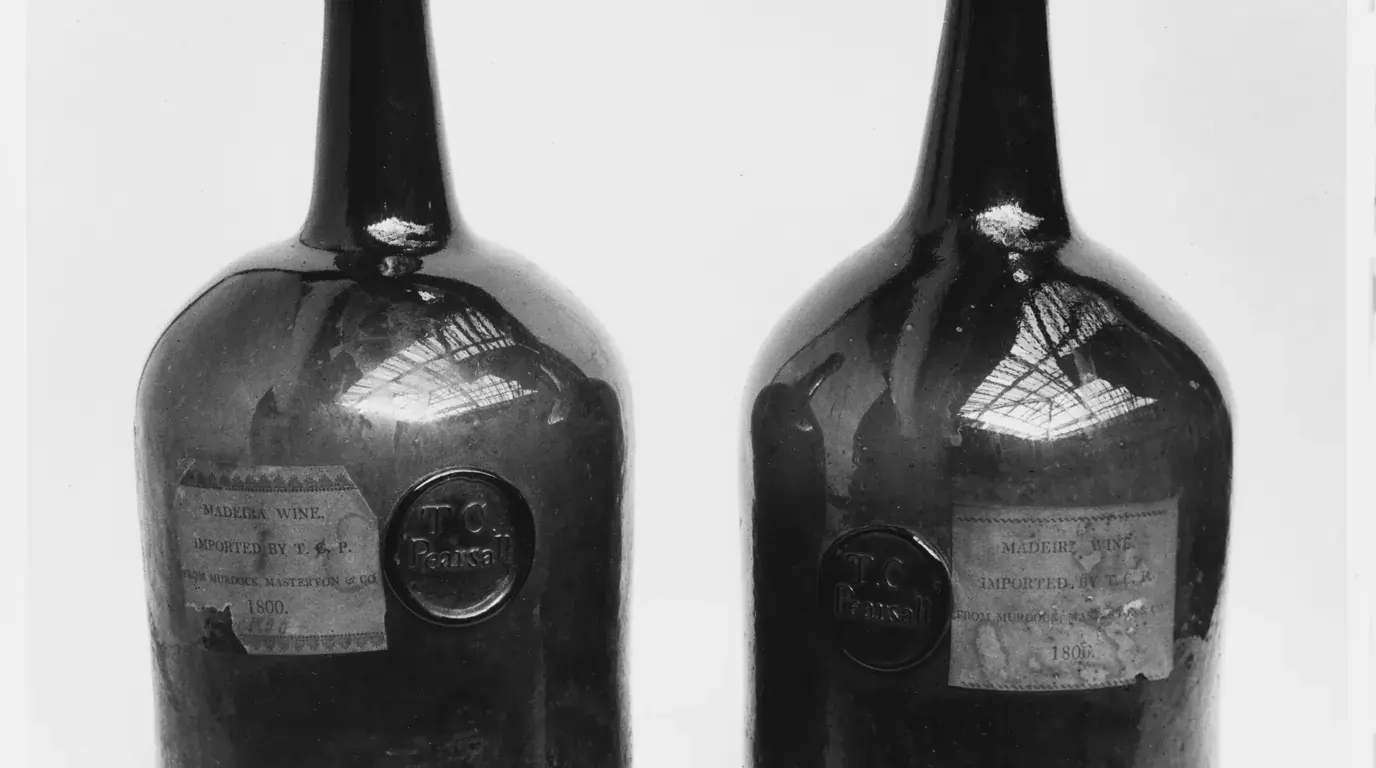
Very old bottles — fortified wines, pre-war vintages, anything with a long and quiet history — attract the closest scrutiny precisely because they are the most attractive to fake. A house's due diligence on these is not an insult to you; it is the thing that makes your bottle sellable to a cautious buyer.
Help it along. Provide everything you have, describe gaps honestly rather than glossing them, and expect physical inspection. If a bottle's history has a hole in it, saying so tends to produce a lower estimate and a completed sale, whereas discovering the hole late tends to produce a withdrawn lot. The authentication side is covered in how to spot counterfeit fine wine.
The Counter-Argument: Don't Sell the Whole Cellar
The instinct when selling is to consign everything at once, in one clean transaction. It is usually the wrong move.
A cellar contains a small number of lots that will attract genuine competition and a long tail that will not. Consigning them together means the tail is sold into the same sale, on the same day, at whatever the room will bear — and a specialist who took the whole cellar to secure the good lots has limited incentive to work hard on the rest.
The alternative takes longer and generally pays better: send the strong material to auction, sell the liquid, widely traded cases to a merchant or through an exchange where price discovery is not needed, and drink the rest. Splitting the exit by what each part of the cellar actually is, rather than by what is administratively convenient, is the single decision most likely to improve your outcome.
For the buying side of the same market, see how to buy fine wine at auction, and for the wider category our rare wine hub.
Frequently asked questions
How do you sell wine at auction?
Selling rare wine at auction involves handing over the wine, agreeing a commission, accepting a reserve and committing to a sale date months in advance. Auction houses will ask four main questions regarding storage history, bottle condition, documentation, and tax status before accepting the consignment and deciding the appropriate level.
What is wine auction representation?
Wine auction representation refers to the seller side of the transaction managed by an auction house. A consignor works with a specialist who evaluates storage provenance, condition, and documentation, handles lotting, and manages the sale process through cataloguing, marketing, and final settlement timing after the auction concludes.
What questions do auction houses ask sellers?
Serious auction houses ask four key questions to determine if they will take a consignment. They ask where the wine has been stored specifically, what condition the bottles are in regarding fill levels and labels, what documentation exists such as purchase invoices or storage statements, and whether the tax status is in bond or duty paid.
What should you ask an auction house?
You should ask at least two houses about their seller commission and full sliding scale for your consignment size. Ask which sale the wine enters, the total elapsed time to settlement, how they plan to lot the cellar specifically, their category sell-through rate, charges on unsold lots, withdrawal costs, and who the buyers are.