Disclosure: this page contains affiliate links. If you buy through them we may earn a commission, at no extra cost to you, and that can influence which providers we feature.
Not financial advice. Fine wine is illiquid, prices can fall as well as rise, and capital is at risk.
The short answer. Vintage Bordeaux, meaning mature back vintages that are already in bottle rather than new wine bought en primeur, is the part of the wine market where an investor can see most clearly what they are buying: the wine exists, it has been reviewed in bottle, and it has a trading record. That does not make it a safe gain. On the indices page of Liv-ex, the fine wine trade exchange, as we read it on 12 November 2026, the Bordeaux 500 index showed a fall of 21.4% over five years, and the Bordeaux Legends 40, which tracks older vintages from 1989, a fall of 12.1%. The return on an aged Bordeaux vintage is decided by three things you can check before paying: the price against recent trades of the same wine, the provenance and condition of the bottles, and the costs of buying, storing and selling them.
This guide explains what the market for older Bordeaux is, where it concentrates, how to buy back vintages and check their price, and what eats into the return. If you are weighing new releases instead, read en primeur explained; for the region against its great rival, see Bordeaux or Burgundy.
What "Vintage Bordeaux" Means to an Investor
Every Bordeaux château releases a new vintage each year, most of it through the en primeur campaign while the wine is still in barrel. A back vintage is any earlier year of the same wine that is already bottled and trading on the secondary market: with merchants, at auction, and between members of the trade exchanges.
For an investor, back vintages have three practical advantages over futures. The wine exists and can be inspected. It has been assessed in bottle rather than from a barrel sample. And it has a price history, so a fair price can be estimated from recent sales rather than taken on trust.
The disadvantages are just as practical. An older bottle has had more years in which to be stored badly, more owners who could have lost its paperwork, and more opportunity to be counterfeited. Most of this guide is about managing those three risks.
What the Market Has Done Recently
Liv-ex publishes the indices most often used to describe the fine wine market. Its own definitions, with the five-year change its indices page showed when we read it:
| Index | What it tracks, in Liv-ex's words | Five-year change shown on 12 Nov 2026 |
|---|---|---|
| Fine Wine 100 | "the price movement of 100 of the most sought-after fine wines on the secondary market" | -12.9% |
| Bordeaux 500 | "the price movement of 500 leading wines from the region" | -21.4% |
| Bordeaux Legends 40 | "a selection of 40 Bordeaux wines from exceptional older vintages (from 1989)" | -12.1% |
The same page showed the Bordeaux 500 at -1.0% over one year and -1.1% for the year to date, and the Bordeaux Legends 40 at +1.6% over one year and +1.2% for the year to date. The page did not print a date beside those values, so read them as the figures published on the day we checked, not as a month-end close.
Two honest readings follow. First, the older-vintage index fell less over five years than the broad Bordeaux index: mature, scarce wines have behaved differently from recent vintages, without being immune. Second, falls of this size mean that an investor who bought Bordeaux five years ago has, on average, lost money before paying a single cost. An index is an average of many wines; one wine can do much better or much worse, which is why the price checks below matter more than any index.
Where the Market Concentrates
The 1855 first growths. The 1855 classification ranked the leading red wines of the Médoc, plus Haut-Brion from Graves, in five tiers. The first growths today are Château Lafite Rothschild, Château Latour, Château Margaux, Château Haut-Brion and Château Mouton Rothschild. Mouton joined them later: the château's own history records that in 1973, "following a decree signed by Jacques Chirac, then Minister of Agriculture", it achieved Premier Cru Classé status, "of which it had been unfairly deprived in the 1855 classification". The first growths are the reference names for Bordeaux pricing.
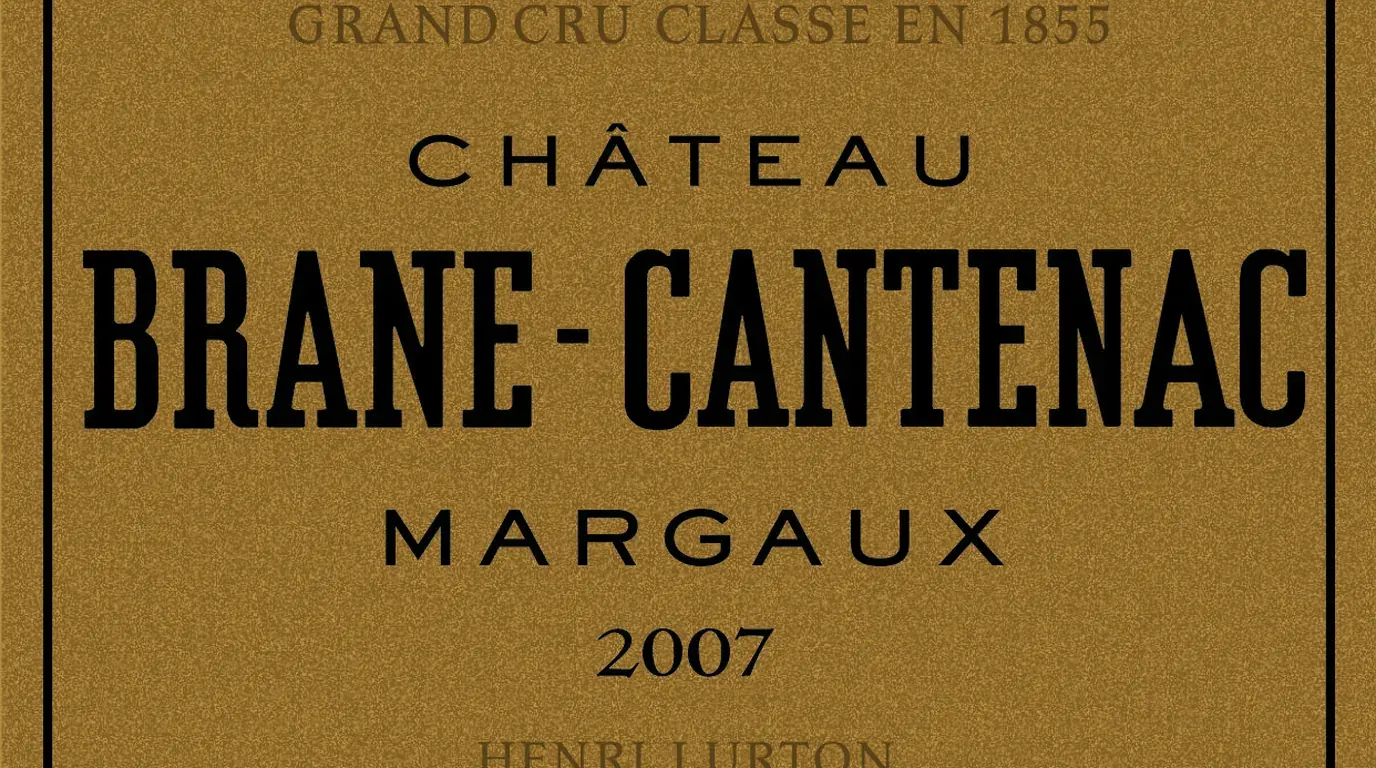
The Right Bank. Pomerol has no official classification; the reputations of Pétrus, Le Pin and their neighbours rest on the estates themselves. Saint-Émilion has its own classification, revised periodically. Our guide to reading a Bordeaux label shows how each appears on the bottle, which matters when you are checking a lot description against the wine.
The middle. Below the famous names sit dozens of classified growths and the second wines of the great châteaux. They trade, but with fewer buyers, and fewer buyers usually means a wider gap between what you pay and what you can sell for. A back vintage of a lesser classified growth can be a fine bottle to drink and a poor asset to sell.
When the Château Itself Sells Back Vintages: Latour
One first growth has made back vintages its whole release model. Wine Spectator reported on 22 March 2013 that Château Latour had announced it was "abandoning the en primeur system starting with the 2012 vintage", and that it "would only sell its wine once managers felt it was ready to drink".
For a buyer, that means recent Latour vintages reach the market as mature releases whose provenance chain starts at the château's own cellar, which is the strongest provenance a bottle can have. It does not mean the release is automatically good value. The château sets the price knowing what older vintages trade for, so compare the release price with the market price of other Latour vintages of similar standing before treating it as the cheaper route.
How to Buy Back-Vintage Bordeaux
There are three main routes, each with its own costs and checks.
Fine wine merchants. Many merchants sell older vintages from stock, quoted in bond (duty and VAT excluded) when the wine sits in a bonded warehouse. Farr Vintners, which describes itself as fine wine merchants specialising in Bordeaux, Burgundy, Rhône, Champagne and Italian wine, states that its invoices "will show 'In Bond' prices with duty and VAT added separately". Ask any merchant where the wine has been since release, whether it is in its original wooden case, and whether you can see the storage records.
Auction. Christie's, Sotheby's, Bonhams and the wine specialists sell mature Bordeaux in full cases and single bottles, and auction is where the oldest lots surface. Bonhams' wine department page, read on 12 November 2026, lists Le Pin 1995, a Pomerol, sold as a case of twelve for €34,720 including premium. The buyer's premium adds about a quarter to the hammer at the large houses: on the pages we read on 7 November 2026, Christie's charged 25% on wine and Sotheby's 24% plus a 1% overhead premium. The full comparison is in our guide to wine auction houses, and the bidding steps in how to buy wine at auction.
Merchant-run exchanges. Some merchants let customers sell wine stored with them to other customers. Berry Bros. & Rudd's BBX is one: its FAQ says wines "must be physically located in Berry Bros. & Rudd's warehouse before they can be listed for sale", that sellers pay "between 10% and 7% commission depending on membership level", and that "there is no buyer's commission, so the buyer will only pay the stated price". Because the wine stays in the merchant's warehouse through the sale, the storage record is not broken by a move.
Liv-ex itself is not open to individuals. Its page for collectors says "we don't work directly with private wine collectors" and advises them to "speak to your fine wine merchant or advisor". The trade prices on Liv-ex reach private buyers through merchants.
How to Check the Price Before You Pay
- Pin down the exact wine, vintage and format. A magnum is not simply two bottles' worth of price, because large formats trade on their own scarcity.
- Collect recent evidence: auction results for the same wine and vintage, converted to a per-bottle price including premium, and current merchant prices in bond.
- Compare across vintages of the same château. A neighbouring vintage of similar standing at a lower price is the obvious alternative, the same test our en primeur guide applies to new releases.
- Adjust for condition and provenance, as described below.
- Add the costs of holding and selling before deciding what return is realistic.
For a fixed-price reference point on a current vintage, a merchant listing helps: US retailer Wine.com lists Château Lafite Rothschild 2022, a recent first-growth vintage you can set beside older Lafite results at auction to see how the market prices age.
Provenance and Condition Matter More With Age
An older bottle is only as good as its storage record. The strongest back-vintage Bordeaux is wine released by the château recently, or held in bonded storage since release with the paperwork to prove it; the weakest is a loose bottle with no history. Our wine provenance guide ranks the tiers and the documents that prove each one.
Condition is read from the bottle. Bordeaux fill levels are described on a shoulder scale, and what counts as normal depends on the age of the wine; ullage, explained decodes the terms a catalogue uses. An original wooden case supports the claim that a dozen bottles have stayed together since release.
Counterfeiting risk concentrates in famous names and old bottles, which is exactly where back-vintage Bordeaux sits. Before buying a mature first growth from a source you do not know, work through our checks for counterfeit wine.
What Eats the Return
Put these in the sum before any price rise counts:
- Buying costs: the auction premium or the merchant's margin, plus any VAT on the premium.
- Storage and insurance: annual charges for professional storage, set out in how to store fine wine.
- Selling costs: the seller's commission at auction or on an exchange such as BBX.
- Duty and tax: duty and VAT fall due when wine leaves bond (see in bond vs duty paid); tax on any gain depends on where you live, so take advice.
- Time: a case of a lesser name can take a long while to sell at a fair price.
A worked example shows how quickly the costs add up. Buy a case at auction for a hammer of 10,000 at a 25% premium and you have paid 12,500 before tax and delivery. Sell it later on an exchange that charges 10% commission and you keep 90% of the sale price, so the case must sell for about 13,889 just to return your 12,500. That is a rise of about 11% before a single year of storage or insurance is counted. At a 7% commission the break-even sale is about 13,441, a rise of about 7.5%.
Who Back-Vintage Bordeaux Suits
It suits a buyer who wants bottled, reviewed wine rather than futures, who will hold for years, who uses professional storage from the day of purchase, and who would be content to drink the wine if its price never rose. It suits nobody who needs to sell quickly, who is relying on a forecast, or who is being offered "guaranteed" returns by someone who telephoned them; our guide to where to buy rare wine covers how wine investment scams work.
A Checklist Before You Buy Older Bordeaux
- Identify the wine, vintage, format and whether it is a full original case.
- Find recent per-bottle prices for the same wine and vintage, including premium.
- Compare with neighbouring vintages of the same château.
- Ask where the wine has been since release, and see the storage records.
- Read the fill level and condition notes against the age of the wine.
- Add buying, storage, insurance and selling costs, and work out the price rise you need to break even.
If you buy, start the paper trail on day one and keep it with the wine. Buying from an established merchant such as Wine.com and keeping the invoice is how a provenance file begins; our provenance checker walks through the questions to ask about any bottle.
Frequently asked questions
Is vintage Bordeaux a good investment?
It can be, but recent history is mixed. On Liv-ex's indices page read on 12 November 2026, the Bordeaux 500 showed -21.4% over five years and the older-vintage Bordeaux Legends 40 -12.1%. Whether a particular purchase works depends on the price you pay against recent trades, the wine's provenance and condition, and the costs of storing and selling it.
What is the return on investment for aged Bordeaux vintages?
There is no fixed figure. Liv-ex's Bordeaux Legends 40, which tracks 40 Bordeaux wines from exceptional older vintages since 1989, showed +1.6% over one year and -12.1% over five years on the day we read it. Your own return is the sale price minus what you paid, the buying and selling costs, storage and insurance; at a 25% buyer's premium and a 10% selling commission, the wine must rise about 11% just to break even.
Which Bordeaux wines do investors buy?
Mostly the five 1855 first growths (Lafite Rothschild, Latour, Margaux, Haut-Brion and Mouton Rothschild) and the leading Right Bank estates such as Pétrus, in strong vintages and with documented provenance. Lesser classified growths trade too, but with fewer buyers.
Is it better to buy Bordeaux en primeur or older vintages?
Compare prices first. If a bottled, reviewed back vintage of similar standing costs the same or less than the new release, the back vintage removes the waiting and the counterparty risk of futures. Our en primeur guide sets out the test.
Can I buy Bordeaux on Liv-ex as a private collector?
No. Liv-ex says it does not work directly with private wine collectors and advises them to speak to their fine wine merchant or advisor; merchants trade on the exchange and sell to private clients.