En primeur — literally “in first”, and often called buying wine futures — is the system by which Bordeaux sells its newest vintage while the wine is still ageing in barrel, one to two years before it is bottled and physically delivered. You are not buying wine you can drink. You are buying a claim on wine that does not yet exist in finished form, priced off a barrel sample tasted the spring after harvest. Understood clearly, it is a legitimate way to secure scarce allocation at the earliest release price. Misunderstood, it is one of the easiest ways for a new collector to tie up capital in an illiquid position for years.
This article explains a mechanism; it is not financial advice. Fine wine is a volatile, illiquid asset. Capital is at risk and there is no guaranteed return.
How the campaign actually works
The rhythm is annual and it runs on the calendar, not on your convenience.
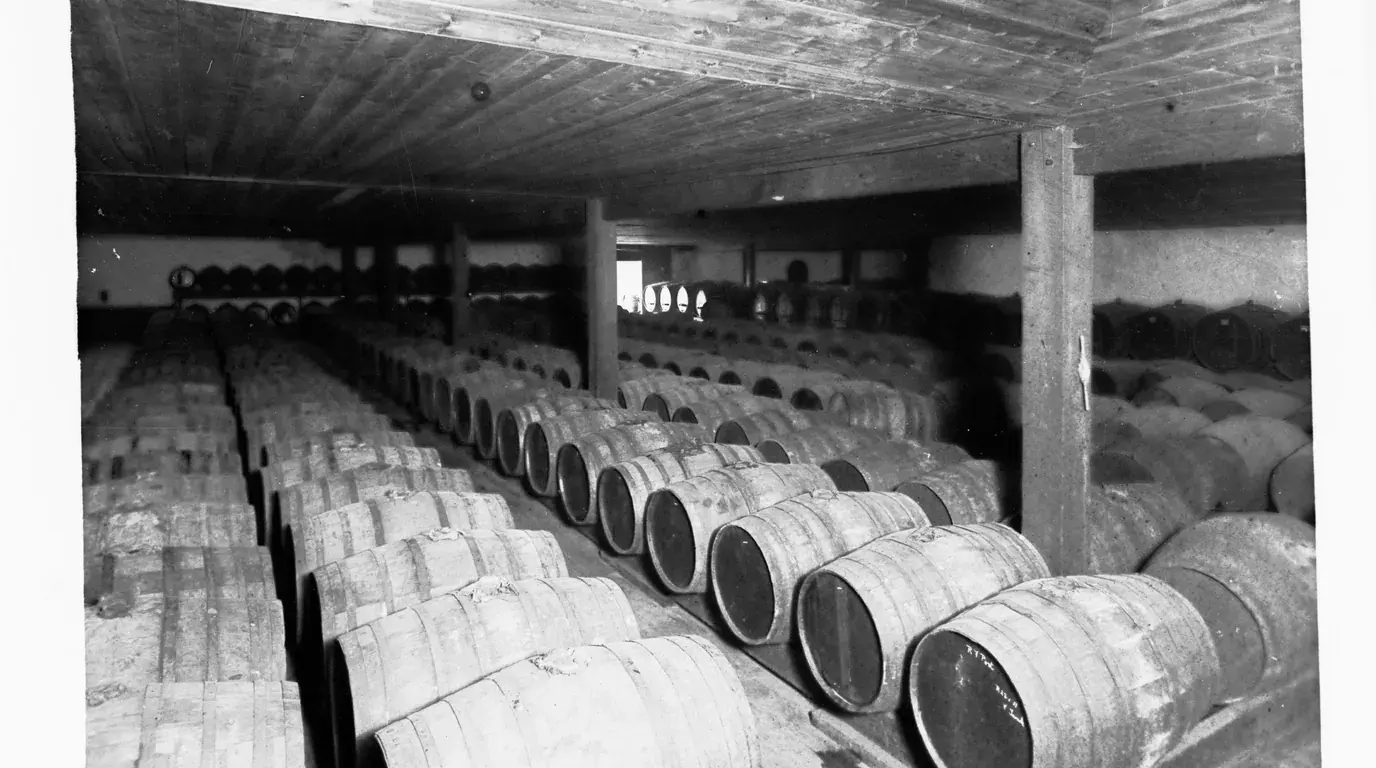
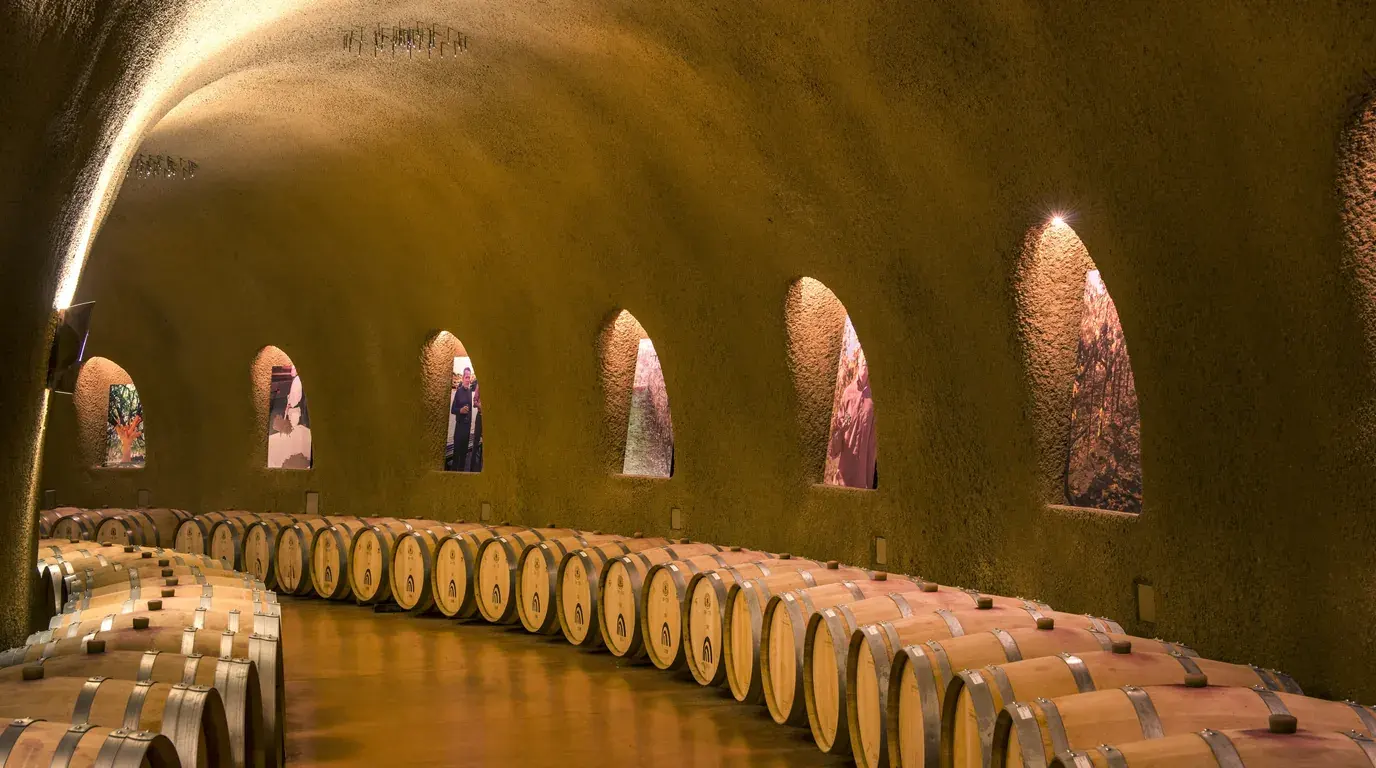
Harvest happens in autumn. The wine is vinified and put into oak barrels, where it will age for roughly 12 to 24 months depending on the estate.
The following spring, châteaux present barrel samples of the unfinished vintage to the trade — négociants, brokers, critics, and merchants — during the en primeur tastings in Bordeaux. In the spring of 2026, for instance, the market is tasting and pricing the 2025 vintage.
Release follows over subsequent weeks. Châteaux sell to négociants through the historic distribution system known as the Place de Bordeaux, releasing wine in tranches and setting a first price. Négociants sell on to merchants, who offer it to you “on futures.”
Delivery comes later — commonly around two years after the harvest, sometimes longer — once the wine is bottled and shipped. You have paid upfront and waited, in exchange for locking in the opening price and your place in the allocation queue.
The case for buying en primeur
There are two honest reasons to buy futures rather than waiting for the bottled wine.
Access to scarcity. For the most sought-after and limited wines — tiny-production Pomerol estates, the top growths in a celebrated vintage — en primeur may be the only realistic moment to secure bottles at anything near the opening price. Wait until physical release and the allocation may simply be gone, or repriced.
Format and provenance control. Buying early lets you request specific formats — magnums, double magnums, larger bottles that age more slowly and often command a premium later — which are difficult to source afterwards. And wine bought en primeur and held in bond from release carries a clean, documented chain of custody, which supports its value on resale. Provenance is not a footnote in fine wine; it is frequently the difference between a case that sells at full price and one that sells at a discount, a point we make throughout our rare wine investment guide.
The risks, stated plainly
En primeur concentrates several risks that bottled-wine buying does not.
You are pricing an unfinished wine. The barrel sample assessed in spring is not the bottled wine you receive two years later. Blends are adjusted, and the finished article can differ from the sample. Critical scores are provisional at this stage and can shift on re-tasting.
Price risk runs both ways. The opening release price is not guaranteed to be the low. In weak-demand years, or when a château prices ambitiously, wines have traded below their en primeur price after bottling — meaning you could have simply bought the finished wine later for less, with none of the waiting or counterparty exposure. Whether en primeur saves money depends entirely on the vintage and the pricing, and it is not a rule you can bank on. The recent record makes the point: reviewing the 2023 campaign in June 2024, Wine Spectator noted that the 2022, 2021, 2020, 2018 and 2017 vintages were then trading below their futures prices, with only 2019 having rewarded early buyers — and Liv-ex judged that even the sharply reduced 2023 prices "did not go far enough". The campaign-level detail is in our Bordeaux 2023 vintage report.
Long, illiquid holding. Your capital is committed for years before you can take delivery, let alone sell. Fine wine is already less liquid than equities; futures are less liquid still.
Counterparty risk. You pay upfront and trust the chain to deliver. Fraud and merchant insolvency in this market are rare, but they have happened, and buyers have been left without their wine and without their money. Buy only through established, reputable merchants, and understand how and where your wine is held between payment and delivery.
Who en primeur is — and is not — for
En primeur suits a collector who already understands Bordeaux, has a specific reason to want early allocation or large formats, can leave capital committed for several years, and is buying through a merchant they trust. It also rewards fluency in the label itself — appellation, classification, and château hierarchy all feed into whether a given release is fairly priced, which is exactly the literacy we build in how to read a Bordeaux label.
It is a poor fit for a beginner assembling a first cellar to drink. If your aim is a deliberate, age-worthy cellar rather than a futures position, our guide to a 12-bottle starter cellar is a saner starting point, and if you would rather buy finished, tasted, bottled wine with transparent pricing, the secondary market and auction route covered in how to buy fine wine at auction removes most of the guesswork. The Bordeaux-versus-Burgundy question — where futures culture is strongest, and where scarcity is structural — is weighed in our Bordeaux vs Burgundy investment comparison.
Buying en primeur without handling the logistics
Some collectors prefer managed exposure to fine wine rather than running their own futures campaign and bonded storage. Portfolio services such as Cult Wines participate in en primeur and hold physical bottles in bond on the client’s behalf, providing allocation access and documented provenance. The convenience is genuine — but it does not remove the underlying risk. Management fees reduce returns, the wine remains illiquid, prices can fall, and no service can promise an outcome. Treat any managed wine position the way you would any illiquid alternative asset: sized modestly, understood fully, and never funded with money you cannot leave untouched for years.
For how a cellar — en primeur or otherwise — sits within a broader luxury holding, our sister title keeps an ongoing perspective at aureumandco.com, and collectors building cellars into their homes will find the estate-focused notes at pinnaclemansion.com a useful complement.
The bottom line
En primeur is neither a guaranteed discount nor a trap. It is a mechanism with a specific purpose: securing scarce, format-flexible, cleanly-provenanced Bordeaux at the first price, in exchange for paying early and waiting. Buy it when you have a concrete reason to want the allocation, through a merchant you trust, with capital you can commit for years — and never on the assumption that the opening price is automatically the low. Reference the finished wine’s market before delivery, keep your provenance documentation from day one, and remember that the wine you are buying still has to prove, in bottle, what the barrel promised.
Frequently asked questions
What is en primeur wine and how do Bordeaux futures work?
En primeur, also called buying wine futures, is a system where you pay for Bordeaux wine two or three years before delivery, while it ages in barrel. You purchase a claim based on spring barrel samples tasted after harvest. This secures scarce allocations at the opening price, but capital is locked in an illiquid position.
Is en primeur wine investment a reliable way to make money?
Fine wine is a volatile, illiquid asset with capital at risk and no guaranteed return. Opening release prices are not guaranteed to be the lowest. In weak years, wines have traded below their en primeur price after bottling, meaning waiting to buy finished wine could cost less.
How do you buy en primeur wine?
Through a merchant taking part in the spring campaign: you register interest, the merchant offers each wine as the château releases it, and you pay upfront for delivery around two years later. Before paying, check the merchant's standing, where and in whose name the wine will be held, and whether you want it delivered in bond or duty paid. Many merchants take orders online, but the counterparty question is the same either way.
Why buy en primeur rather than wait for the bottled wine?
For limited-production estates it may be the only realistic chance of an allocation near the opening price, it lets you request large formats such as magnums, and wine held in bond from release carries a clean chain of custody. None of that guarantees the release price will be the lowest you could have paid.
What are the main risks when investing in wine futures?
You are paying upfront for an unfinished wine whose barrel sample may differ from the bottled article. Prices can fall below the release cost, capital is tied up for years in an illiquid asset, and counterparty risks exist if a merchant becomes insolvent before delivery occurs.
Sources
Cult Wines (wineinvestment.com), “What Is En Primeur? A Brief History of Bordeaux’s Wine Futures System” — mechanics of the Place de Bordeaux and futures pricing.
Corney & Barrow, “Understanding Bordeaux’s En Primeur System” — merchant-side explanation of the campaign timeline and delivery.
Wine Enthusiast, “A Beginner’s Guide to Wine Futures and En Primeur” — overview of buyer risks and the tasting-to-delivery cycle.
Liv-ex (London International Vintners Exchange) — reference market for fine wine pricing and post-release performance.