Disclosure: this page contains affiliate links. If you sign up through them we may earn a commission, at no extra cost to you. It does not change what we write.
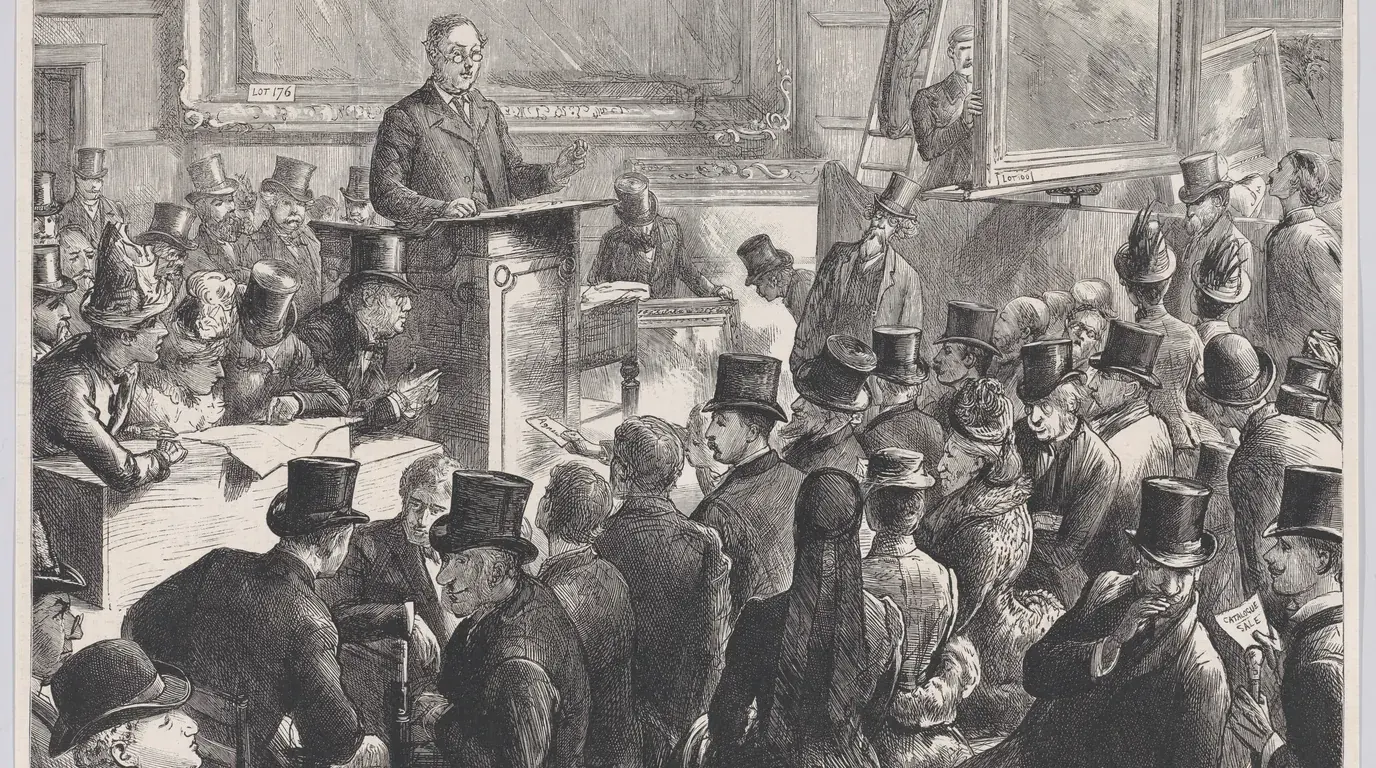
The number called in the room is the hammer price. It is not what leaves your account, and the gap is routinely large enough to change whether a purchase made sense.
The layers, in the order they are added
1. Buyer's premium. A percentage added to the hammer price, typically tiered so the rate falls as the value rises. It is set by the house, published in the conditions of sale, and varies between houses and between sales.
2. Tax on the premium — and sometimes on the lot. Treatment depends on jurisdiction, on whether the item is imported, and on the scheme the item is sold under. This is the layer most often misjudged on cross-border purchases.
3. Artist resale right, where it applies. In many jurisdictions a royalty is payable on qualifying works by living artists and for a period after death. It is calculated on the hammer price and is not optional.
4. Shipping, packing and insurance in transit. For fragile, large or high-value items this is not a rounding error, and specialist packing is not comparable to ordinary freight.
5. Import duties and customs handling. Applies whenever the item crosses a border, and the paperwork burden is itself a cost in time.
6. Post-sale storage. Houses allow a grace period, after which storage charges begin. Easy to trigger accidentally when shipping is being arranged.
Building the real number before you bid
Work backwards. Decide the total you are willing to part with, then subtract every layer above to find the maximum hammer price you can actually bid.
Doing this in advance matters more than the arithmetic, because the layers are added after the emotional part is over — and a bid placed against a hammer figure rather than a landed figure is the most common way people overpay without noticing.
| Layer | Varies with |
|---|---|
| Buyer's premium | House, sale, and value tier |
| Tax | Jurisdiction and import status |
| Artist resale right | Artist status and jurisdiction |
| Shipping and insurance | Fragility, size, distance |
| Duties | Category and border crossed |
| Storage | How fast you collect |
The two documents to read first
The conditions of sale and the condition report, in that order, before you decide a maximum. Both are published in advance and both are routinely skipped in favour of the catalogue essay, which is written to sell.
For how the same discipline applies to the object itself rather than the invoice, see what the condition words actually mean and the five documents that move the price.
This is general information about how auction costs are structured, not tax advice — rates, thresholds and treatments differ by jurisdiction and change, so confirm the current position for your own circumstances before bidding.
Frequently asked questions
What is the hammer price at an auction?
The hammer price is the final amount called in the auction room when a lot is sold. However, this is not the total amount that leaves your account, as several additional costs sit on top of this figure, including buyer's premiums, taxes, resale rights, and shipping fees.
What additional layers are added on top of the hammer price?
Several layers are added after the hammer price, including the buyer's premium set by the house, applicable taxes, artist resale rights for qualifying works, shipping and transit insurance, import duties and customs handling charges, and post-sale storage fees if collection is delayed beyond the grace period.
How can you figure out the real total cost before bidding?
You should work backwards before placing a bid. Decide the total maximum amount you are willing to spend, then subtract all the additional layers such as premiums, taxes, and shipping fees to find the maximum hammer price you can actually afford to bid.
Which documents should you read first before deciding on a maximum bid?
You should read the conditions of sale and the condition report first, in that order, before deciding on a maximum bid. These documents are published in advance and should be reviewed rather than relying solely on the catalogue essay.