Disclosure: this page contains affiliate links. If you sign up through them we may earn a commission, at no extra cost to you. It does not change what we write.
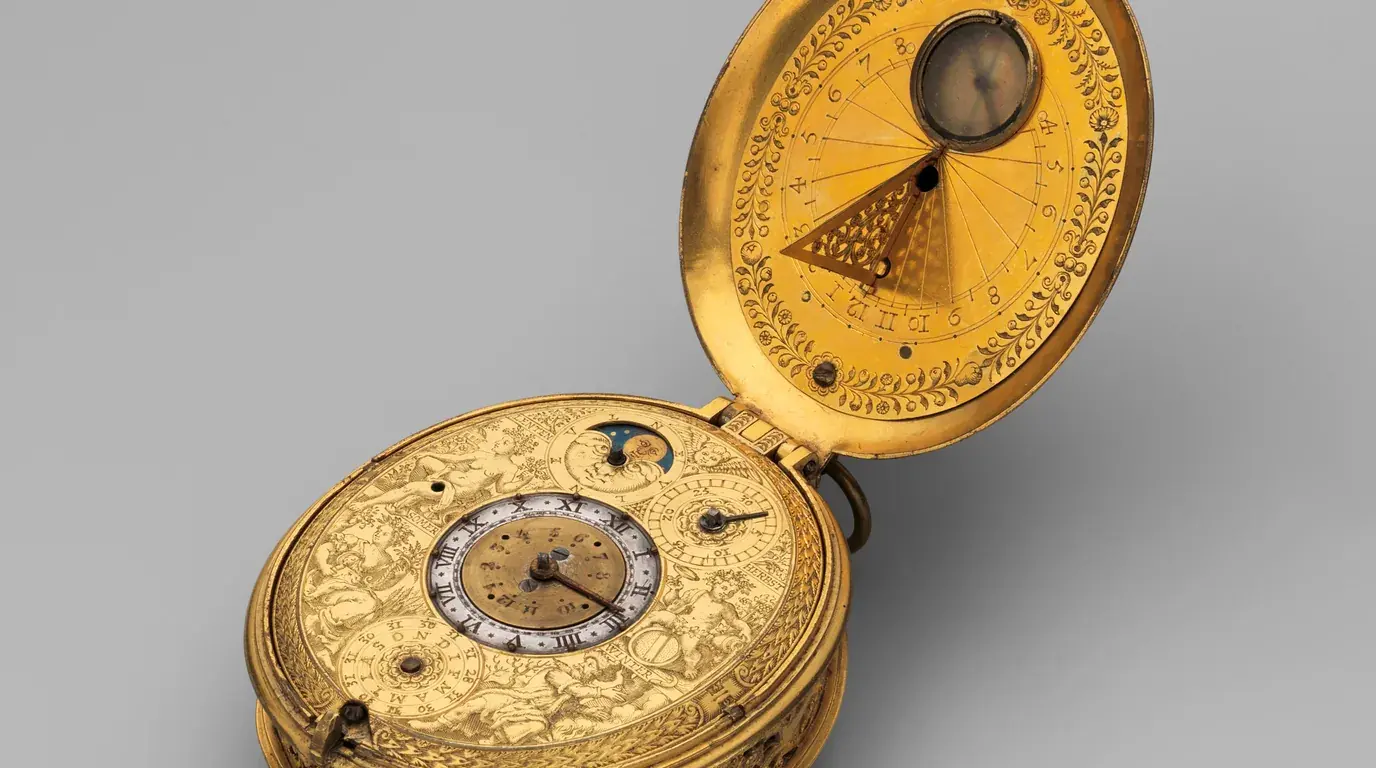
A well-made mechanical watch is one of the few luxury objects genuinely engineered to outlive its owner. Unlike a photograph that fades or a mixed-media artwork that comes apart at the seams — the survival problems we set out in what art actually survives a century — a watch is a repairable machine. But that repairability is the whole point: a watch does not survive a hundred years on its own. It survives as the watch plus an unbroken chain of servicing, kept water-tight and fed with parts. The century-old Patek in a museum vitrine is not the object as it left the workshop; it is that object plus decades of careful maintenance. Understand that, and you understand both what to buy and what a century actually costs.
Watches are collectible objects, not guaranteed investments. Servicing is a real recurring cost, values can fall as well as rise, and capital is at risk.
Why a watch needs servicing at all
Inside a running mechanical movement, dozens of tiny components rub against one another continuously. The friction is controlled by specialised oils and greases applied at up to fifty points. Those lubricants degrade and dry out over time — whether the watch is worn or sitting in a drawer — and once they do, metal begins to wear metal. A neglected movement does not simply stop; it damages itself, turning a routine service into a parts-replacement job. This is the single mechanism behind every service recommendation you will read.
How often, really
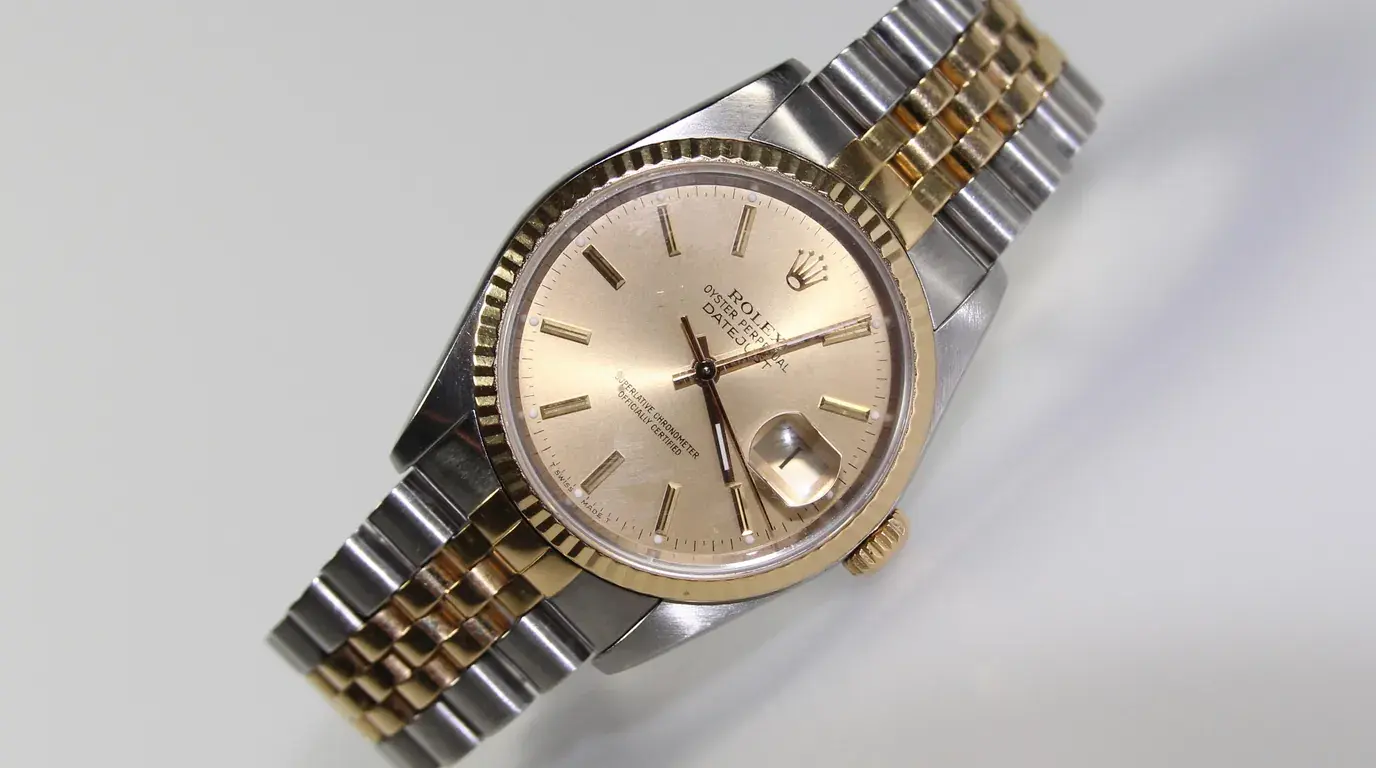
There is no universal number, and anyone who quotes one flatly is oversimplifying. The historic industry rule of thumb was every three to five years. Modern metallurgy and lubricants have stretched that: for many contemporary Swiss watches a full service every five to eight years is a reasonable baseline, and low-friction escapements can extend it further. Specific houses publish their own guidance — Patek Philippe advises servicing roughly every three to five years, particularly for complicated movements such as perpetual calendars and chronographs, while Rolex’s engineering is built for longer intervals between full services. The safest reading: treat five years as a checkpoint, complicated pieces as needing more frequent attention, and any watch you intend to keep for generations as requiring lifelong, documented maintenance.
Water resistance is a consumable
The most misunderstood point in watch ownership: water resistance is not permanent. The rubber gaskets that seal the case back, crystal, and crown are perishable — they harden, compress, and crack with age, heat, and humidity, quietly destroying the seal. A watch rated for diving when new can leak years later with no visible sign until moisture appears under the crystal. Manufacturers of dive watches typically recommend having water resistance checked annually and gaskets replaced as needed. For a 100-year object this is non-negotiable: moisture ingress is how otherwise sound movements are lost.
The real constraint: parts availability
Servicing is only possible if parts exist. This is where the century question is genuinely decided, and where brands diverge sharply.
The strongest houses maintain the ability to service and supply parts for pieces going back decades, and in the finest cases will restore a vintage watch using period-correct components or make replacements to original specification. That capability is a large part of what you are paying for at the top of the market. Lesser or defunct makers are a different story: when a movement is obsolete and no parts remain, an independent watchmaker may have to fabricate a component by hand, at significant cost, or the watch becomes a display object rather than a running one.
This has direct collecting consequences. A watch from a house with a living heritage-service department is a maintainable century object. A watch from a marque that no longer exists, or that does not support older calibres, is a gamble on the survival of a shrinking pool of independent specialists and spare parts. The complication you fell for matters here too — a perpetual calendar or minute repeater from a neglected maker can be enormously expensive to keep alive, which is why understanding watch complications is as much a maintenance decision as an aesthetic one.
Originality versus running condition: the collector’s tension
There is a genuine conflict at the heart of long-term watch ownership. Servicing keeps a watch running, but over-restoration destroys value. A refinished dial, an over-polished case with softened edges, or replaced non-original parts can turn a collectible piece into a merely functional one. The market prizes originality — honest wear, original dial, sharp case lines — alongside sound mechanical health. The century-object ideal is therefore a watch that has been serviced conservatively and documented meticulously: lubricated and sealed on schedule, but never cosmetically “improved.” The paper trail of who serviced it, when, and with what parts becomes part of the watch’s provenance, and it is exactly the kind of record that supports value — the same authentication logic we set out in the watch authentication guide and the step-by-step how to authenticate a luxury watch.
What to buy if you want a 100-year watch
Three principles follow from all of the above.
Buy from a house that will still service it. Living heritage-service capability and long parts support are the precondition for a century of running life. This favours established Swiss maisons and the better-supported independents — a theme we develop in the independent watchmakers investment guide.
Buy condition and originality, and keep them. An original, unmolested watch with a documented service history is both the better object and the better store of value. Service conservatively; resist cosmetic restoration.
Buy the documentation with the watch. Box, papers, and a continuous service record are not accessories; they are the provenance that makes the piece maintainable and saleable in fifty years.
Buying pre-owned is the direct route to all three of those principles at once: the first owner has already absorbed the steepest depreciation, which is the single biggest cost in owning a watch from new, and a piece that has survived a decade with its papers and service record intact has already proved the point about documentation. What you give up is the manufacturer warranty, so service history matters more than it would on day one — which is why the authorised-dealer certified pre-owned programmes and the specialist watch departments at the major auction houses are worth the premium they charge over a private sale. As with any collectible, buy the piece you would be content to own for its own sake — servicing is a certain cost, appreciation is not, and capital is at risk.
For the wider luxury-longevity perspective, our sister titles keep running notes at nordicgilt.com for watches and jewellery and at aureumandco.com for collecting across categories.
The bottom line
Yes, a luxury watch can last a hundred years — but “the watch” that survives is really the watch plus a century of servicing, sealing, and part-by-part care. The pieces that make it are the ones bought from houses that still support them, kept original, and documented without a gap. Budget for the maintenance, protect the originality, keep the papers, and you are not buying a watch so much as beginning a hundred-year relationship with a machine — one measured in service intervals, not seasons.
Frequently asked questions
Can a mechanical watch really last for one hundred years?
Yes, a well-made mechanical watch can outlive its owner, but it does not survive on its own. It survives as the watch combined with an unbroken chain of proper servicing, being kept water-tight, and being continuously supplied with necessary parts over the entire century.
How often does a mechanical luxury watch need to be serviced?
There is no universal schedule, but a full service every five to eight years is a reasonable baseline for contemporary Swiss watches, while low-friction escapements can extend this period. Complicated movements and older historic rules of thumb may require more frequent attention and maintenance checkpoints.
Why is water resistance considered a consumable part of a watch?
The rubber gaskets that seal the case back, crystal, and crown are perishable components that harden, compress, and crack over time due to age, heat, and humidity. Because these seals degrade, manufacturers of dive watches typically recommend checking water resistance annually and replacing gaskets as needed.
Why is parts availability important when buying a century-old watch?
Servicing is only possible if replacement parts exist. Strong houses maintain parts and service capabilities for decades, whereas obsolete movements from defunct makers leave owners relying on independent watchmakers to fabricate components by hand at significant cost.
Sources
Fondation de la Haute Horlogerie, Encyclopaedia — “Maintenance” entry on why mechanical movements require periodic servicing and lubrication.
Omega, Watch Maintenance — guidance on service intervals and annual water-resistance checks for gasket-sealed watches.
Rolex, Servicing Procedure — overview of the manufacturer service process and long-interval engineering.
Hodinkee, “How Often Should You Service Your Watch?” — collector-facing discussion of intervals, lubrication, and parts considerations.