Disclosure: this page contains affiliate links. If you sign up through them we may earn a commission, at no extra cost to you. It does not change what we write.
What "Complication" Actually Means
In watchmaking, a complication is any function a mechanical movement performs beyond simply telling the time in hours, minutes, and seconds. The term is deceptively modest. A complication can be as practical as a date window or as bewilderingly intricate as a minute repeater that chimes the hours, quarters, and minutes on demand. For collectors, complications are where craftsmanship, scarcity, and resale value converge to determine what collectors are willing to pay.
Understanding complications is not about memorising jargon. It is about recognising which functions reflect genuine watchmaking mastery, which add real-world utility, and which simply inflate a price tag. The distinction matters enormously when you are committing five, six, or seven figures to a single object.
The Everyday Complications
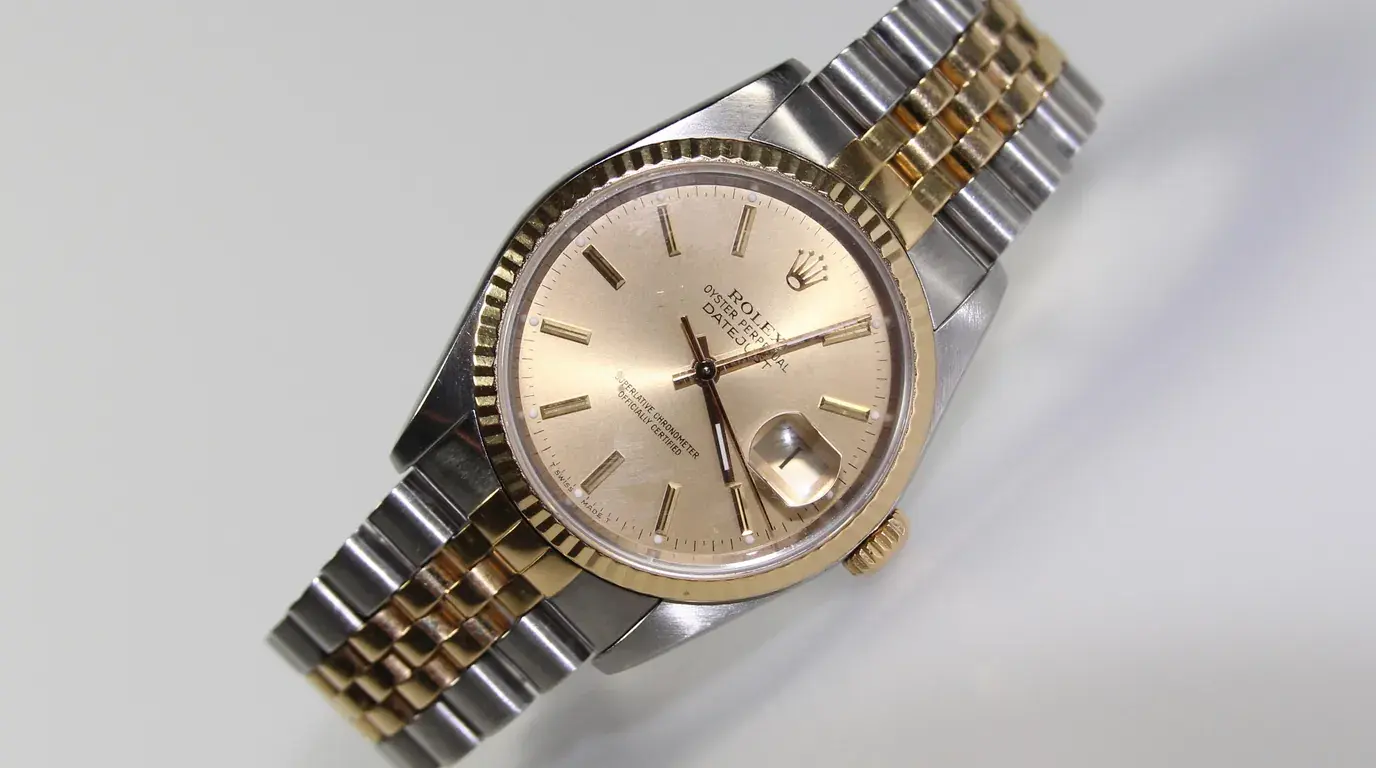
The most common complications are functions you will use without thinking. The date display — a window, a sub-dial, or a pointer hand — is nearly ubiquitous. The day-date adds the weekday, famously codified by the Rolex Day-Date in 1956. A power reserve indicator shows how much running time remains before the mainspring needs winding, a genuinely useful feature on manual-wind and lower-frequency automatic calibres.
The GMT or dual-time function deserves special attention. By tracking a second time zone, it transforms a watch into a practical travel instrument. The chronograph — a stopwatch integrated into the movement — is among the most beloved complications, prized for its mechanical theatre and its connection to motorsport and aviation heritage. Column-wheel chronographs are generally regarded as more refined and collectible than cam-actuated designs.
The Grand Complications
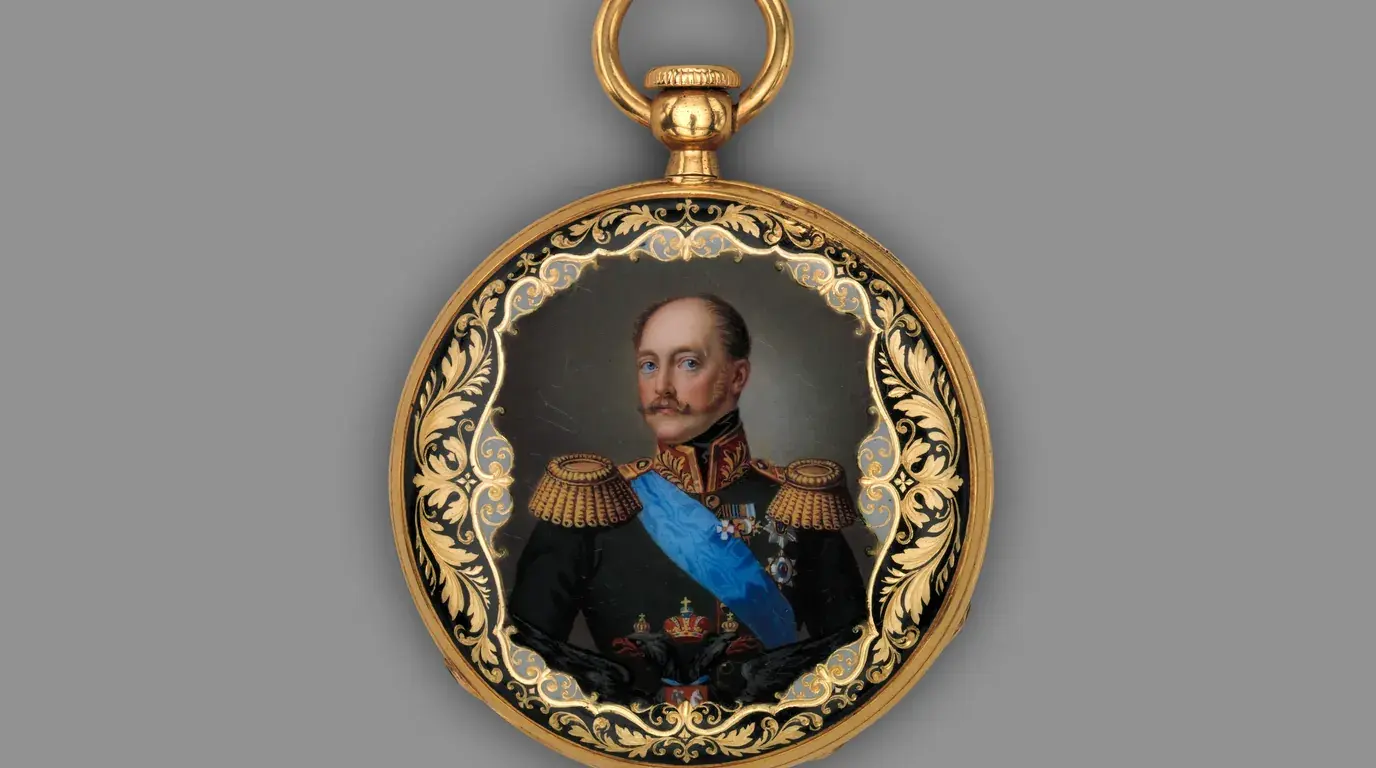
At the summit sit functions that demand hundreds of components and years of finishing. The perpetual calendar mechanically accounts for months of differing lengths and leap years, requiring no correction until 2100. The tourbillon, invented by Abraham-Louis Breguet in 1801, rotates the escapement to average out positional errors from gravity — originally a precision tool for pocket watches, now largely a showcase of skill.
The minute repeater chimes the time on tuned gongs, the acoustic engineering rivalling the mechanical. When two or three of these grand complications combine in one case, the result is a "grande complication," the rarest and most expensive territory in horology. These pieces are where houses like Patek Philippe build their reputations; our Patek Philippe investment analysis examines how complicated references hold and grow value at auction.
How Complications Affect Value
More complications do not automatically mean a better investment. Market demand, brand pedigree, condition, and originality dominate. A clean, well-documented time-and-date piece from a blue-chip maker frequently outperforms an obscure tourbillon. That said, in-house grand complications from established houses — and increasingly from celebrated independents — occupy a defensible tier of scarcity. For a broader framework on assembling a coherent collection across price points, see our watch collecting guide, and for the rising appeal of small-series makers, our independent watchmakers investment guide.
Buying With Confidence
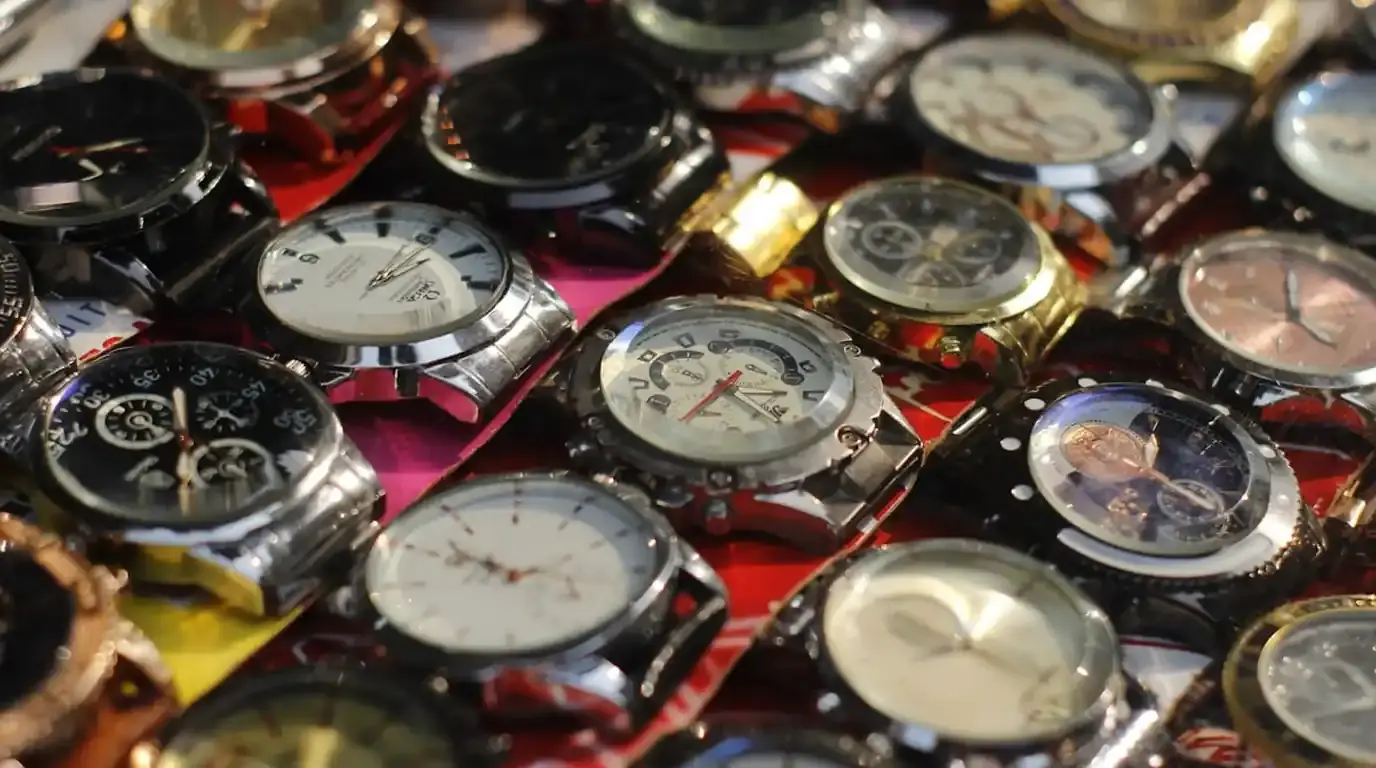
Complicated watches carry complicated risks. Service history is critical: a neglected perpetual calendar or repeater can cost a small fortune to restore, and replacement parts for vintage grand complications are scarce. Always confirm that the movement, dial, and case are correct for the reference, and insist on documentation. Counterfeiters increasingly target complicated pieces, so verification by a specialist is non-negotiable — our guide on how to authenticate a luxury watch walks through the essential checks.
A Collector's Closing Note
Buy the complication you will actually appreciate, whether that is the daily convenience of a GMT or the quiet awe of a chiming repeater you wind on a Sunday morning. The best acquisitions satisfy both the head and the wrist: mechanically honest, properly documented, and bought at a price that respects the market rather than the marketing. If you buy a complicated watch pre-owned, the service record is the document that matters most. A perpetual calendar or a repeater with a continuous, dated history from a competent watchmaker is worth materially more than the same reference with a gap in it, because the gap is where the restoration bill hides. Authorised-dealer certified pre-owned programmes and the specialist watch departments at the major auction houses verify that history as a matter of course.
Frequently asked questions
What is a watch complication?
In watchmaking, a complication is any function a mechanical movement performs beyond simply telling the time in hours, minutes, and seconds. These functions range from practical features like a date window to intricate mechanisms such as a minute repeater that chimes the time on demand.
What are everyday complications on a watch?
Everyday complications include the date display, the day-date, and a power reserve indicator that shows remaining running time. Other common features are the GMT or dual-time function for tracking a second time zone, and the chronograph, which is a stopwatch integrated into the movement.
What does a perpetual calendar do?
A perpetual calendar is a grand complication that mechanically accounts for months of differing lengths and leap years. This advanced mechanism requires no correction until the year 2100, representing a high level of craftsmanship and technical mastery in watchmaking.
How do complications affect watch value?
More complications do not automatically mean a better investment. Market demand, brand pedigree, condition, and originality dominate value. However, in-house grand complications from established houses and celebrated independents occupy a defensible tier of scarcity that attracts collectors.
Why is service history important for complicated watches?
Service history is critical because a neglected perpetual calendar or repeater can cost a fortune to restore, and replacement parts are scarce. A continuous, dated history from a competent watchmaker is worth materially more than a reference with a gap in its records.