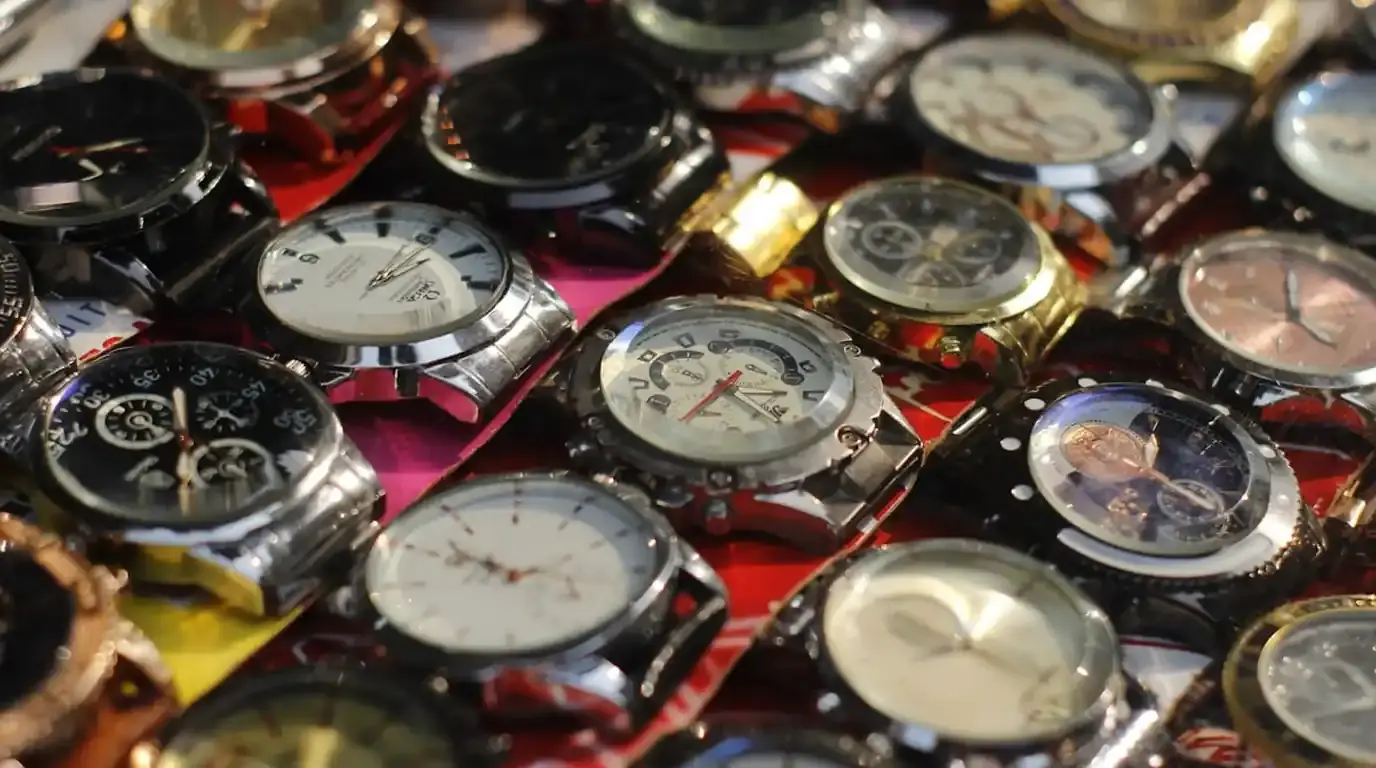
The watch market of 2021-2022 was extraordinary and unsustainable. Rolex Daytonas traded at 3× retail. Paul Newman Daytonas changed hands for millions. Entry-level Pateks appreciated faster than technology stocks. Then, in 2022-2023, the correction came. Secondary market prices for most references fell 30-50% from peak. Some fell further.
For collectors — as opposed to speculators — this correction was healthy. It returned the market to something closer to fundamental value: watches priced based on what they are, not on how scarce they were during a supply shock.
This guide is for serious collectors building for the long term.
The Difference Between Collecting and Speculating
The watch market attracts both. Speculators buy what's hot, hold for appreciation, and exit. Collectors buy what they love, wear and maintain properly, and build a coherent collection over time. The best long-term returns have consistently come from collectors, not speculators, because collectors understand what they're buying and are not forced sellers during corrections.
Before building a collection, ask: what draws me to watches? Complications (the mechanical complexity of chronographs, perpetual calendars, tourbillons)? Aesthetics (dial design, case proportions, finishing)? History (vintage references, historical provenance)? The answers should guide every purchase.
The Market Tiers
Tier 1 — True haute horlogerie: Patek Philippe (particularly complicated pieces — perpetual calendars, minute repeaters, grand complications), Audemars Piguet Royal Oak in its classic references (5402ST, early 5512/5513 Submariners), A. Lange & Söhne in complicated pieces, F.P. Journe's iconic references. These have maintained value through the correction because demand from serious collectors is genuinely supply-constrained.
Tier 2 — Sports watches with proven records: Rolex Submariner, Daytona, GMT-Master II (in steel, with box and papers); AP Royal Oak 15202 and 15500; Omega Speedmaster "Moonwatch" in original references. These corrected but retain strong collector bases and liquid secondary markets.
Tier 3 — Independent watchmakers: H. Moser & Cie, MB&F, De Bethune, Laurent Ferrier, Voutilainen. The market for independent makers has matured significantly; top references appreciate meaningfully. Requires deep knowledge to navigate.
Tier 4 — Entry-level luxury: Entry Patek (Calatrava steel), entry AP (Royal Oak stainless standard references), entry Rolex (Datejust). These were most affected by the correction. Values have normalised to something closer to rational premiums over retail.
What to Buy in 2026
Post-correction value: Second-tier sports watches that overcorrected. A steel Rolex Daytona at 1.5× retail (versus the 3× peak) represents genuine value for a watch with a 30-year track record of appreciation. Box and papers are essential.
Complications over brands: A complicated watch from a second-tier maker will typically appreciate more than a simple watch from a first-tier brand. A Patek perpetual calendar in any case material will outlast a Rolex Datejust as a store of value.
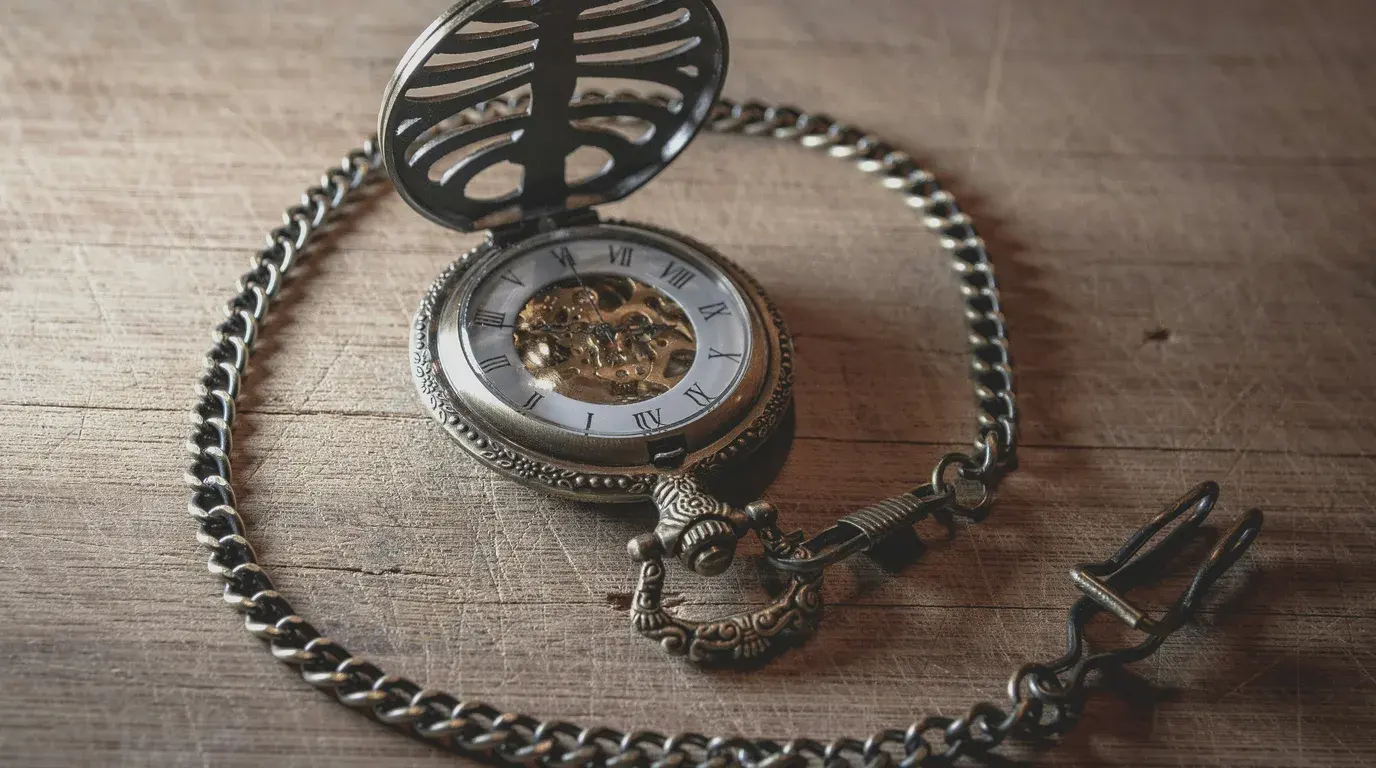
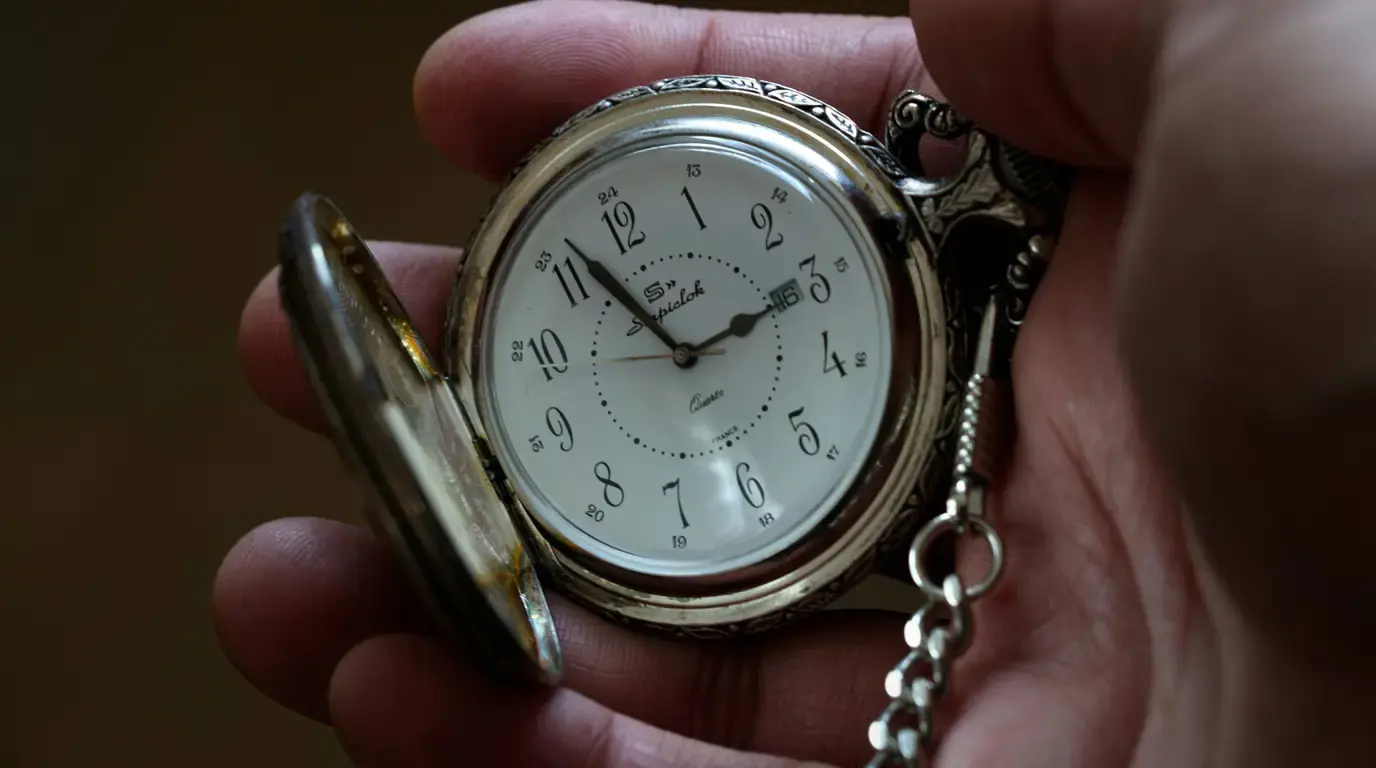
Vintage with documented service history: Pre-1970 references in exceptional condition, with documented service history from an authorised repairer, have consistently outperformed modern watches in the long run. The risk is condition — always have vintage watches independently assessed before purchase.
Independent watchmakers with limited production: Voutilainen, Dufour, De Bethune, and Laurent Ferrier produce in genuinely limited quantities for genuine horological reasons. Their collector bases are educated and patient. References from these makers have appreciated consistently regardless of broader market conditions.
The Essentials of Watch Collecting
Box and papers: For modern watches, original box and papers (particularly chronometer certificates) significantly affect resale value. A Daytona with box and papers sells for 15-25% more than the same reference without.
Service history: Watches need servicing every 5-7 years. A documented service history from an authorised or respected independent repairer supports both authenticity and condition assessments.
Storage: Store unworn watches wound (for automatic movements) or in watch winders if part of a rotation. Keep away from magnetic fields (speakers, phones, laptops). Leather straps degrade in humidity; metal bracelets are more durable for storage.
Insurance: Specialist watch insurance (not a standard home contents rider) from Chubb, Hiscox, or a specialist broker. Have the collection appraised annually — values change significantly.
Where to buy pre-owned: All three of the above are easier to satisfy when the seller has already done the work. Authorised-dealer certified pre-owned programmes and the specialist watch departments at the major auction houses verify provenance and service history as standard, which is what you are paying the premium over a private sale for. On any unverified sale, commission an independent authenticity and condition assessment before money moves.
FAQ
Is the watch market recovering in 2026?
The mid-tier has stabilised. The very top (Patek grand complications, early AP Royal Oak references, F.P. Journe iconic pieces) never meaningfully corrected. The speculative tier (entry sports watches bought purely for grey market flipping) has not recovered and may not.
How do I know if a vintage watch is genuine?
Have it assessed by a specialist independent watchmaker who focuses on that brand, not the brand's own service centre (which has a commercial interest). For Rolex, the Rolex-specific watchmaking community is well-documented. For Patek, only buy from dealers with established provenance.
What's the minimum collection size?
Quality over quantity. A collection of three exceptional watches is preferable to fifteen mediocre ones. Buy one watch, wear it, learn from it, then acquire the next.