The Case for Collectibles Allocation
Deloitte’s Art & Finance Report 2025 documents that ultra-high-net-worth individuals hold 9–12% of their wealth in collectibles, a figure that has risen consistently for a decade. The allocation is not purely return-seeking — it is driven by genuine portfolio benefits.
Low correlation to equities: Fine wine and blue-chip art have demonstrated correlations to the S&P 500 of 0.15–0.25 over 20-year periods. This is not zero (no asset class is uncorrelated during genuine financial crises), but it is meaningfully lower than other alternatives like private equity (0.65+) or real estate (0.40+).
Inflation linkage: Tangible assets with genuine scarcity and aesthetic/utility value tend to maintain purchasing power during inflationary periods. The 2021–2023 inflation episode confirmed this for fine wine and classic cars in particular.
Non-financial utility: A Rolex can be worn, a Ferrari driven, wine consumed, and art displayed. The optionality of use — combined with investment return — changes the psychology of holding through market cycles.
Allocation Framework
For a total investable portfolio of €500,000–€5M:
Collectibles as portfolio allocation: 5–15%
Within the collectibles sleeve:
- Fine art: 40–50% (highest capital appreciation potential, lowest liquidity)
- Fine wine: 25–35% (best liquidity among tangible alternatives, consistent returns)
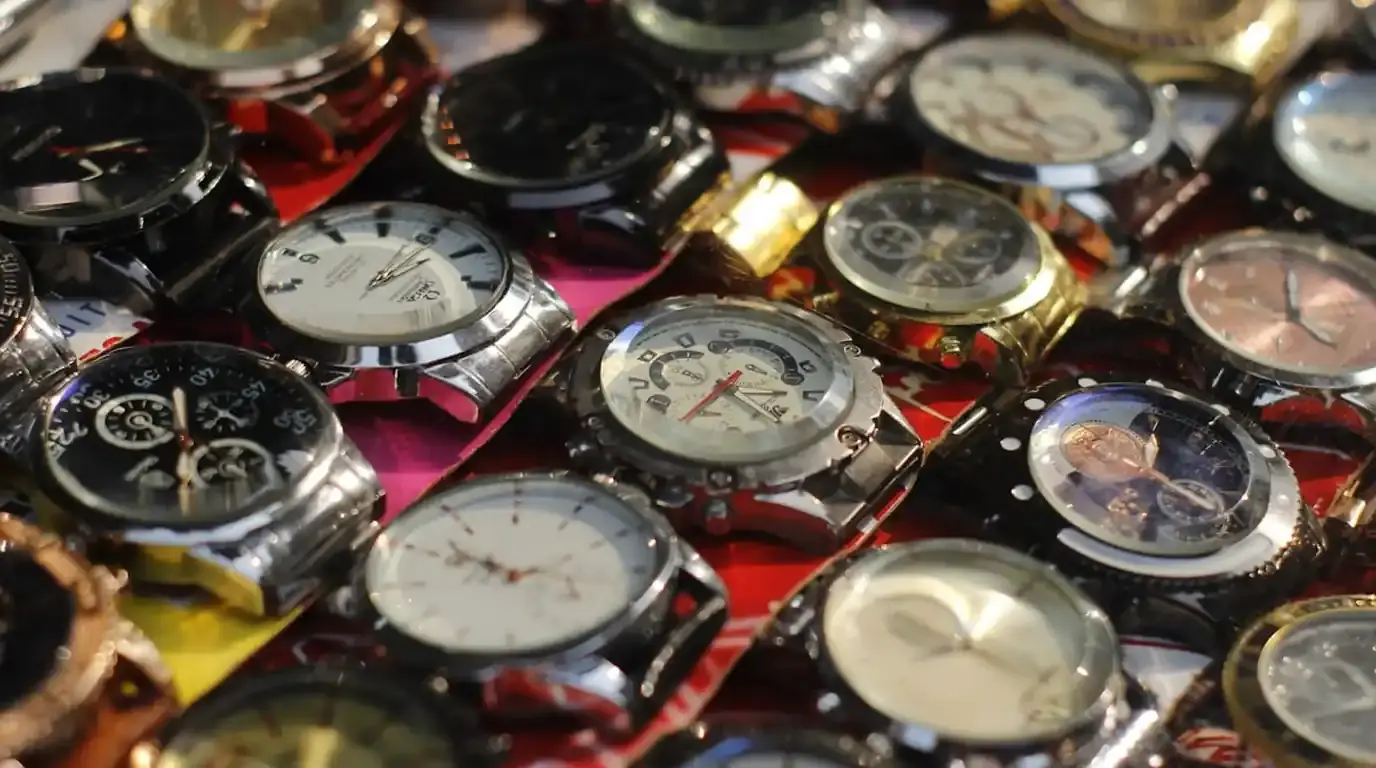
- Luxury watches: 15–20% (highest liquidity, smaller capital requirements per position)
- Classic cars: 10–15% (highest storage costs, most specialist expertise required)
This allocation prioritises art and wine — the categories with the deepest institutional market infrastructure — while maintaining meaningful positions in the more consumer-accessible categories.
The Exit Challenge
Every collectible investment requires a planned exit strategy before acquisition. The questions to answer:
Auction vs. private sale? Auction provides price discovery and competitive bidding that can exceed private sale estimates. Private sale provides discretion and avoids auction house buyer’s premiums (25–30% for buyers). For established artists, auction is typically optimal. For niche categories, private sale through specialist dealers often generates better net proceeds.
Hold period planning: Minimum 5 years for most categories. Transaction costs (10–25% round trip) require sufficient appreciation to justify. Works acquired in falling markets need 5–8 years minimum to recover transaction cost in typical return environments.
Liquidity tiers: Wine (days–weeks), watches (days–weeks), art (weeks–months), classic cars (weeks–months for well-known marques; months–years for specialist vehicles).
Common Portfolio Construction Errors
Over-concentration in a single artist or marque: A collection of 10 Basquiats is not diversified. It is concentrated exposure to one artist’s market position — which can collapse if retrospective reassessment occurs.
Ignoring storage and insurance costs: An annually adjusted net return calculation that includes storage, insurance, and maintenance costs often looks significantly different from headline appreciation numbers.
Buying what you love without market analysis: Personal affinity is important for holding through cycles, but it is not a substitute for market due diligence.
For the wine sleeve of this allocation, Cult Wines is one of the managed routes worth comparing — as with any allocation discussed here, fees apply and capital is at risk.