Not financial advice. Classic cars carry significant risk including total loss. Storage, maintenance, and insurance costs are substantial.
The classic car market peaked in 2014-2015, softened, recovered partially in 2021, and has since settled into a more rational environment. The era of buying any classic Ferrari or Porsche and expecting appreciation is over. What remains is a market that rewards genuine connoisseurship — understanding what matters to serious collectors versus what was simply swept up in speculative enthusiasm.
What the Market Actually Rewards
Racing provenance: A car with documented racing history — particularly if driven by a notable driver in a significant event — commands a premium of 50-500% over an otherwise identical car without provenance. The Porsche 917 that won Le Mans is not comparable to the same model sold to a private customer. Documentation is everything.
Matching numbers: All major mechanical components (engine, gearbox, differential) should carry their original numbers matching the build record. A car with replaced engine is worth meaningfully less than one with its original. For Italian cars in particular, factory build records (libretti) are essential documentation.
Known, single-owner history: A car with one or two careful private owners, with complete service history, is worth significantly more than one with gaps in ownership. The market for provenance-documented cars has widened as buyers have become more sophisticated.
Condition without over-restoration: Collector cars that have been over-restored to a standard they never had when new are worth less to serious collectors than those in honest, well-maintained original condition. Concours-level restorations are a category of their own; the middle ground (heavy restoration to "better than original") has the weakest market.
Correct specification: Original colour combinations, original options, and period-correct accessories matter. A Ferrari in a desirable factory colour (Rosso Corsa, Grigio Silverstone) on its original alloys is worth more than the same car repainted in a non-original colour.
The Key Categories in 2026
Ferrari road cars (1960s-1980s): The 250 series has moved beyond most individual collectors' reach. The 275 GTB, Daytona (365 GTB/4), and 308/328 series represent the most accessible segments with genuine appreciation potential. The market for these has been more rational than earlier in the decade.
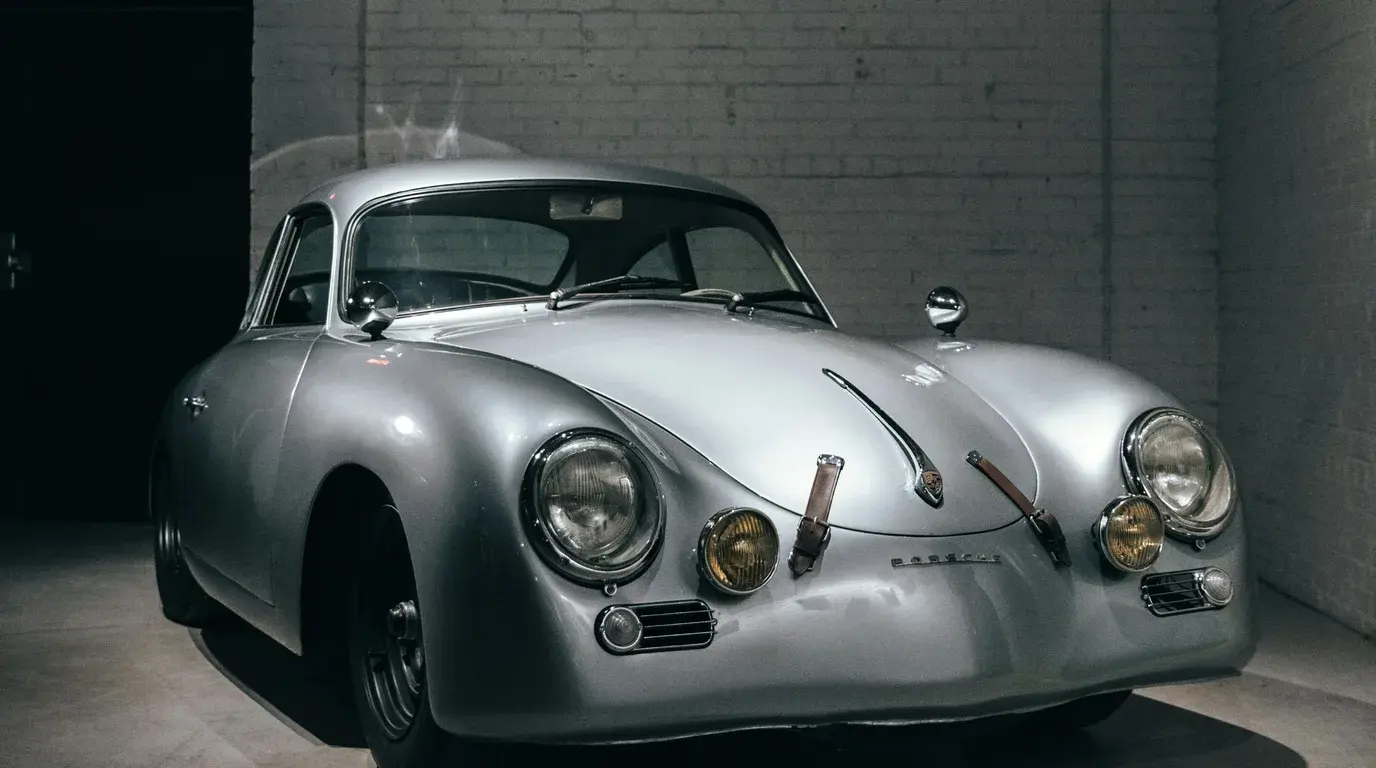
Porsche 911 (pre-1989): The air-cooled 911 market has been the most dynamic of the past decade. The early long-hood 911s (1963-1973) and the 2.7 RS in particular have seen extraordinary appreciation. The post-1974 cars offer better value: the SC and 3.2 Carrera are excellent drivers with stronger parts availability and more modest appreciation expectations.
British sports cars: Jaguar E-Type (particularly Series 1 roadsters), Aston Martin DB4/DB5, and early Lotus Elan represent genuine collector cars with international appeal. The E-Type market has matured; the Aston market remains strong in top condition with provenance.
Japanese classics: The market for clean examples of 1990s Japanese sports cars (Honda NSX, Mazda RX-7 FD, Nissan Skyline GT-R R34) has been the strongest growth segment of the past five years. These cars are reaching the collector age, production numbers were limited, and the younger wealthy generation that grew up with them is now in a position to buy. Condition is paramount — rust is catastrophic.
German classics: Mercedes-Benz 300SL Gullwing (beyond most budgets, but immovable in value), 280SL Pagoda (strong market for good examples), early BMW M cars (M1, E30 M3, M635CSi). The E30 M3 market has matured but strong examples remain in demand.
Costs — The Full Picture
Classic car ownership has carrying costs that financial models often understate:
Storage: Climate-controlled storage (essential for paint and interior preservation): €2,000-6,000 per year depending on location.
Insurance: Agreed-value classic car policy: 1-2% of agreed value per year. Ensure the policy reflects current market value, not original purchase price.
Maintenance: A well-maintained classic requires annual attention at minimum. Budget 3-5% of value per year for a car in regular use; 1-2% for a car in storage with periodic driving.
Restoration: If needed, a full concours restoration of a 1960s Ferrari can cost €250,000-500,000 — often more than the car's pre-restoration value. Budget restoration costs before purchase, not after.
Transportation: Moving a classic car to events, auctions, or storage requires specialist enclosed transport. €500-2,000 per movement depending on distance.
FAQ
Is a classic car a good investment?
For the right cars, bought at the right price, with the right provenance — yes, on a 10+ year horizon. The carrying costs are substantial and must be factored into return calculations. The pleasure of ownership is real and should be counted.
Which classic cars are undervalued in 2026?
The mid-tier Porsches (911 SC, 3.2 Carrera), clean Japanese classics (NSX, RX-7 FD), and original-condition British sports cars (Lotus Elan, early Jaguar XK) offer better value than the headline trophy cars.
How do I verify a car's history?
For European cars: factory build records from the manufacturer (most major European manufacturers maintain these). Club registries for marque-specific provenance. Independent specialist inspection. For Italian cars: ACI (Automobile Club d'Italia) records and factory libretto.
What condition should I buy?
The best original condition you can afford, with documented service history. Avoid projects unless you have deep expertise in what restoration actually costs.
For researching past results and upcoming catalogue entries before you buy, RM Sotheby's publishes documented condition reports and provenance for the tiers discussed above.
The rest of our work on this market — the inspection process, the auction mechanics and the specific references worth owning — is collected in the classic car collecting guides.