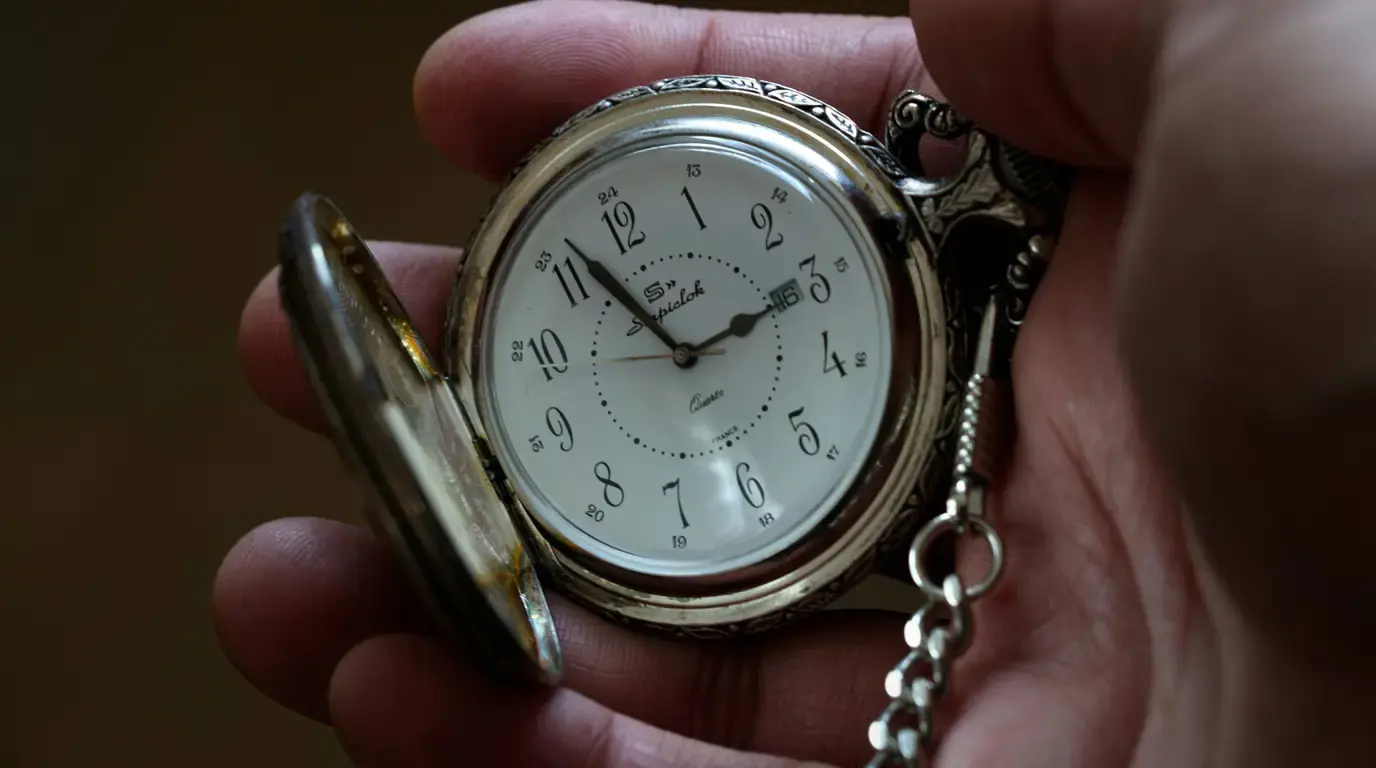
Standard home contents insurance typically excludes or severely limits coverage for fine art, collectibles, and luxury goods. The limits are often €5,000-10,000 per item, with specific exclusions for breakage, gradual deterioration, and works of art. If you have a collection of meaningful value, you need specialist coverage.
Step 1 — Understand What Standard Policies Don't Cover
Read your current home contents policy and note:
- Per-item limits (often €2,000-5,000)
- Total high-value item limits
- Exclusions for fragile items, breakage, and "mysterious disappearance"
- Requirements for security systems (often unmet for contents)
- Whether transit (moving works to fairs, exhibitions) is covered
Most collectors are significantly underinsured on standard policies. The gap between what you think you're covered for and what you would actually receive after a claim is often dramatic.
Step 2 — Get the Collection Appraised
Before approaching insurers, have the collection professionally appraised. Use an independent appraiser (not the gallery you bought from — they have a commercial interest in the valuation).
For fine art: a member of the American Society of Appraisers or the Royal Institution of Chartered Surveyors (RICS) in the UK/Europe.
For watches: a certified independent watchmaker or specialist auction house specialist.
For wine: a certified wine specialist from the Wine & Spirit Education Trust (WSET) or a Master of Wine.
The appraisal should reflect current market value — not purchase price and not sentimental value. Update appraisals every 2-3 years as market values change.
Step 3 — Approach Specialist Insurers
Specialist fine art and collectibles insurers include:
- Chubb (market leader for high-value collections globally)
- Hiscox (strong in fine art, wine, and jewellery)
- AXA Art (specialist division for collections)
- Berkley One (US-focused, excellent for combined high-value collections)
A specialist broker who focuses on luxury assets (rather than a general insurance broker) can access better terms and policy structures than approaching insurers directly.
Step 4 — Understand Agreed Value vs Actual Cash Value
Agreed value: The insured and insurer agree in advance what a specific item is worth. If it's destroyed, you receive that amount — no depreciation, no argument. This is the correct structure for collectibles.
Actual cash value: The insurer determines value at the time of claim, subject to depreciation and market conditions. This is the default for most home contents policies and is inappropriate for appreciating collectibles.
Ensure any specialist policy is on agreed-value terms.
Step 5 — Document the Collection Thoroughly
For each significant item, maintain:
- Professional photographs (multiple angles, in good light)
- Purchase documentation (invoice, provenance, certificate of authenticity)
- Current appraisal
- Condition report if applicable
- Storage location
Keep this documentation in a secure location separate from the collection itself — and ideally in cloud storage or a secure off-site location so it survives any event that damages the collection.
Step 6 — Understand Transit Coverage
If you move works to exhibitions, fairs, loan arrangements, or restoration studios, ensure your policy covers:
- Transit both directions
- Temporary location (at the exhibition venue, the restorer's studio)
- Different security environments than your home
Many specialist policies include "wall-to-wall" coverage — from the moment a work leaves one location to when it arrives at the next. Confirm this explicitly.
Step 7 — Review Annually
Markets move. What was correctly insured at €50,000 three years ago may be worth €80,000 today. Review coverage annually with your broker and update appraisals every 2-3 years.
Also review whenever you make significant additions to the collection, when the collection moves location, or when there are significant market events (a major auction result that changes reference values for a category).