An art fair compresses a year of gallery-going into four days. That is the whole proposition, and it is a real one: dealers who normally sit behind an appointment system in six different cities all stand in one hall, with their best available material on the wall, willing to talk to a stranger. Nothing else in the art trade works like that.
It is also a selling floor built to a deadline, and the deadline is not yours. Understanding both halves of that sentence is the difference between a fair that teaches you something and a fair that costs you money.
What a Fair Actually Is, Commercially
A gallery pays for its booth, ships the work, staffs the stand and books the hotel before a single visitor walks in. Those costs are sunk on day one. The consequence for you is structural rather than sinister: everyone you speak to has an unusually strong incentive to close, and they have a fixed number of hours in which to do it.
That produces the fair's most reliable behaviours. The best material is shown to established clients before the doors open. Prices are firm early and softer late. A dealer who will not move on price at all is often telling you the truth about demand for that artist; a dealer who moves a long way on the final afternoon is telling you something different.
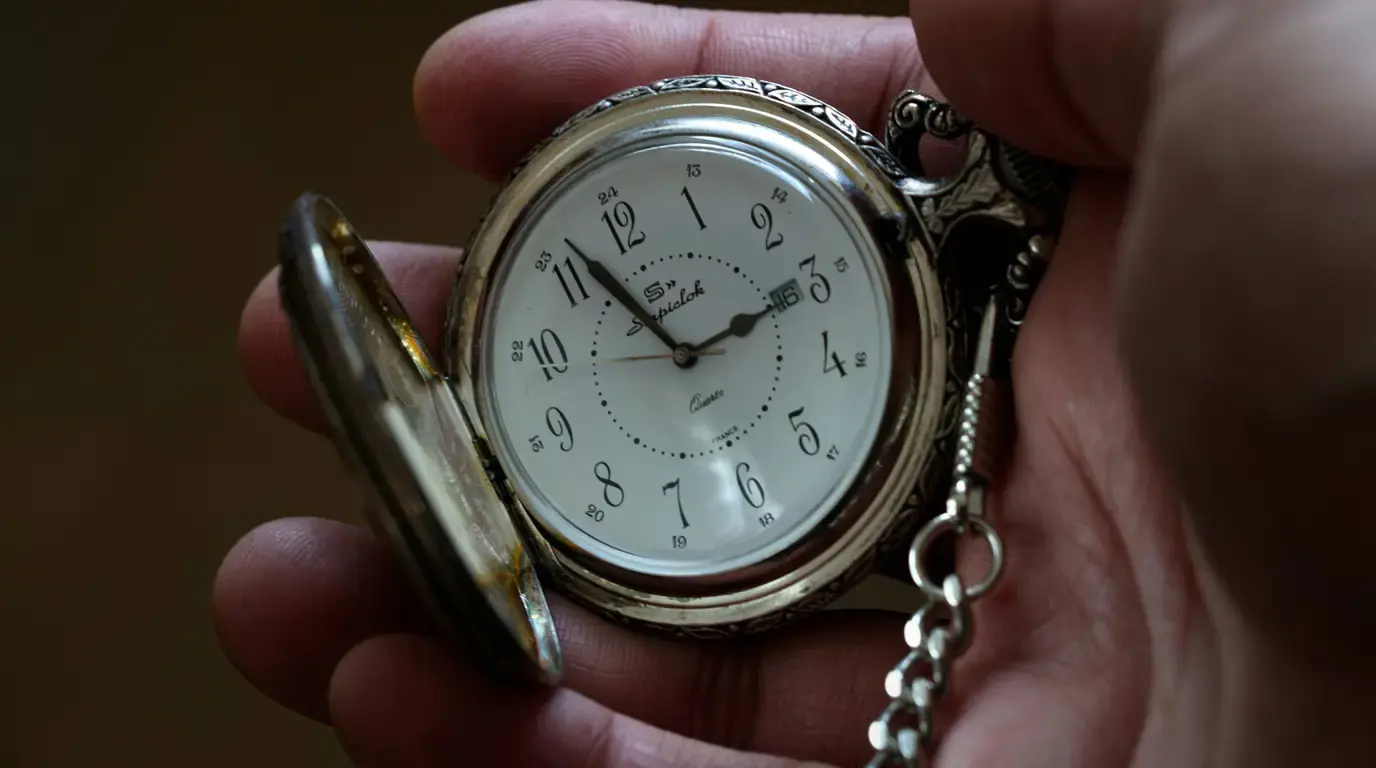
None of this makes a fair a bad place to buy. It makes it a place where the clock is a participant in the negotiation, and you should know whose side it is on.
The Fairs Worth Planning Around
TEFAF Maastricht. The reference fair for historical material — Old Masters, antiquities, decorative arts, jewellery. Its distinguishing feature is vetting, and TEFAF states it plainly on its own site: "Around 200 experts organized into 30 specialist vetting committees examine every single object for sale at the fair for condition, quality, and authenticity." The fair describes its scope as "7,000 years of art history" across ten sections, with "over 260 prestigious dealers from some 20 countries." Its next Maastricht edition is listed as March 13-18, 2027. (TEFAF's own fair page, checked 6 September 2026.)
That vetting sentence is the single most useful fact in this article. It is a fair-level guarantee about condition and authenticity that most events do not offer, and it is why TEFAF is the sensible first fair for anyone buying historical material rather than contemporary.
Art Basel, Basel. The anchor event for modern and contemporary work, listing June 17-20, 2027 for its next Basel edition on its own site (artbasel.com, checked 6 September 2026). Its scale is the point: the density of significant material in one hall is unmatched, and its Unlimited sector exists to show works too large for a conventional booth.
Art Basel Miami Beach, Frieze London, Frieze New York, The Armory Show. Each has its own centre of gravity — Miami leans contemporary and Latin American, Frieze London sits alongside Frieze Masters for historical work, the Armory Show is strong on American galleries. We are deliberately not printing gallery counts or attendance figures for these: those numbers change every edition, and the organisers' own pages refused automated retrieval when we checked. Take them from the fair's own site on the week you are planning, not from a guide.
The general rule, which does hold: every major fair has satellite fairs running in the same city in the same week, and the satellites are usually where a first-time buyer finds work at a price they can actually justify.
Preparing Properly
Read the exhibitor list before you travel. Every major fair publishes it in advance. Shortlist the booths you must see, map them, and do those first. Then leave real time unplanned — the works that change a collection are rarely the ones you arrived intending to buy.
Contact the galleries you already know. A dealer who has met you will tell you what they are bringing, and occasionally send images before the fair. This is the entire mechanism by which good material reaches new buyers, and it costs an email.
Decide your parameters at home. A medium, a period, a rough ceiling. Buyers who arrive without parameters do not buy nothing; they buy reactively, which is worse.
Book preview access if you can get it. Preview days are when the strongest works are still available. Access is usually arranged through a gallery you have a relationship with, or through the fair for buyers with a track record. If you cannot get it, that is fine — see the counter-argument below.
The Questions That Separate a Good Booth from a Good Story
Ask these at the stand, out loud, and write the answers down:
- What is this artist's exhibition history, and is the work in any public collections?
- Who represents the artist, and where else does the work trade?
- What is the ownership history of this specific work, and can I see it in writing?
- Has it been published, exhibited, or included in a catalogue raisonné?
- Is there a condition report, and may I have it before I decide?
- What would you tell me about this work's weaknesses?
The last one is the most revealing question in the trade. A dealer who answers it seriously is a dealer worth returning to. For the underlying documentation standards, see what the paperwork actually proves and the five documents that move price.
What a Fair Cannot Do For You
Three limits, stated honestly.
A fair is a bad environment for a considered decision. It is loud, the lighting is theatrical, you are tired, and someone is standing next to you waiting. Almost nothing about the setting favours judgement.
Vetting is not universal. TEFAF's committee structure is exceptional precisely because it is exceptional. At most fairs, the dealer's own reputation is the guarantee, and the fair is a landlord rather than an authenticator.
In-person attendance is expensive. Flights, hotel in a city at peak rates, four days of your time. That money is part of the cost of anything you buy there, and it is worth counting before you decide the fair is the efficient route.
The Counter-Argument: Don't Buy at Your First Fair
Here is the position most fair guides will not take. If you are early in collecting, go to the fair and buy nothing.
Spend the days looking, asking the six questions above at twenty booths, and collecting business cards and price ranges. You will learn more about the market in three days of disciplined looking than in a year of reading, and you will have given yourself the one thing the fair is engineered to remove: time.
Then buy afterwards, from a dealer you met there, at a pace you set. The work you liked most will usually still be available; if it is not, you have learned something real about demand at that price, which is worth more than the piece.
For the sequencing of a first purchase, see how to buy your first artwork. For the wider category, our art collecting hub covers valuation, authentication and insurance.
Practical Checklist
- Read the exhibitor list and shortlist ten booths.
- Email the galleries you already know, two weeks out.
- Fix your parameters — medium, period, ceiling — before you travel.
- Do the shortlist first, then wander.
- Ask all six questions and write the answers down.
- Photograph nothing without permission; record artist, title, date, medium, dimensions and price.
- Take the condition report and the ownership history in writing, or take neither and walk.
- Sleep on it. The clock belongs to the seller, not to you.